
Build Lean Muscle: A Guide to Strength and Better Health
Building lean muscle is a practical way to improve strength, health, and body composition without chasing extreme weight changes. Whether you want to lose fat and gain muscle or simply get lean, a smart blend of strength training, nutrition, and recovery accelerates muscle growth while supporting a healthy weight. This guide explains how to build lean muscle, how muscle tissue adapts to exercise, and why muscle mass matters for long-term well-being. If you want to build a lean body, we will show how to train major muscle groups, manage workouts, and support muscle repair to gain muscle efficiently.
Understanding Lean Muscle
Lean muscle refers to metabolically active muscle mass that supports strength, posture, and healthy movement without excess body fat. When you build lean muscle through strength training and weight training, you stimulate muscle hypertrophy while improving body composition. A well-structured workout plan trains each major muscle group at least twice a week with compound lifts and progressive overload. Alongside training, nutrition and recovery enable muscle repair and glycogen replenishment, helping you gain muscle at the same time you pursue fat loss and a sustainable, lean body.

What is Lean Muscle?
Lean muscle is the portion of your body made up of muscle tissue minus excess body fat and water fluctuations, often called lean mass. It develops through resistance training that challenges a muscle group with enough reps and load to trigger muscle hypertrophy and subsequent muscle repair. You do not need rapid weight gain to increase muscle mass—consistent progressive overload across free weights, machines, or body weight works. Over time, consistent workouts build muscle, strengthen major muscle groups, and improve functional capacity while keeping weight in a healthy range.
Importance of Lean Muscle in Health
Lean muscle supports metabolic health, bone density, joint stability, and long-term independence. Higher muscle mass elevates daily energy expenditure, aiding fat loss and weight maintenance. Strength training improves insulin sensitivity, while muscle glycogen storage enhances exercise capacity and recovery. Preserving lean mass reduces age-related muscle loss and supports better posture and mobility. Resistance training with adequate protein and rest drives muscle gain and favorable body composition. Building lean muscle also lowers body fat percentage, promoting cardiovascular health and improved blood markers.
How Lean Muscle Affects Body Composition
Body composition reflects the ratio of lean mass to body fat, and building lean muscle shifts that balance toward a lean body even if total weight changes slowly. Progressive overload increases resting calorie burn and supports fat loss. Training major muscle groups twice a week with a mix of heavier sets and lighter weight, higher-rep work maximizes muscle repair and muscle gain. As you increase the weight over time, you gain muscle while reducing body fat percentage, helping you lose fat and gain a stronger, more defined physique.
Strategies to Build Lean Muscle
To build lean muscle effectively, align strength training, nutrition, and recovery so they support muscle growth without unnecessary weight gain. Train each major muscle group twice weekly using adequate volume and progressive overload. Use a mix of free weights, machines, and body weight movements. Track reps, load, and tempo to ensure steady progression with good form. This approach improves body composition, reduces body fat percentage, and helps you get lean while maintaining a healthy weight.

Effective Strength Training Techniques
Effective strength training for gaining lean mass relies on progressive overload, controlled reps, and full range of motion. Start each exercise with a stable setup, then lift weights with a steady tempo to maximize tension on the target muscle group. Prioritize compound lifts, then use accessories to address weak points. Rotate heavier sets with lighter weight, higher-rep work to stimulate muscle growth while managing fatigue. Plan deloads and log workouts to progress methodically.
Incorporating Resistance Training into Your Routine
To build muscle efficiently, schedule resistance training sessions two to four days per week, hitting each major muscle at least twice a week. Use full-body or upper–lower splits to balance workload and recovery. Pair weight training with body weight exercises to practice movement quality and reinforce weak links. If you want to lose fat and gain muscle at the same time, manage total volume and prioritize sleep and protein for glycogen replenishment and repair. Keep sessions focused: select 4–6 movements, target 8–15 reps for hypertrophy, and adjust sets based on response.
Choosing the Right Exercises for Muscle Gain
Choose exercises that challenge multiple joints and allow steady load progressions to build lean muscle. Anchor your program with squats, deadlifts, presses, rows, and pulls; add isolation for balance. Use free weights when possible for functional stability, and machines when you need to safely push near failure. Pick movements you can progressively load and track. This blend optimizes muscle hypertrophy, helps you lose fat and build muscle, and supports a lean body.
Nutrition for Muscle Gain
Nutrition provides the raw materials that build lean muscle, fuel workouts, and speed muscle repair so you can gain muscle without unnecessary weight gain. Set calories appropriately, keep protein high, and time carbohydrates to training. Fats balance hormones that influence muscle hypertrophy. Hydration and micronutrients support muscle tissue function and recovery. When you want to lose fat and gain muscle at the same time, precise nutrition helps improve body composition and maintain lean mass while facilitating fat loss.
Essential Nutrients for Building Lean Muscle
Protein across the day stimulates muscle protein synthesis and protects against muscle loss. Carbohydrates are crucial to restore muscle glycogen so each workout, squat session, and weight training day can progress and increase the weight over time. Dietary fat supports hormones and joint health, helping you train major muscle groups twice a week or more. Round out meals with fiber, minerals, and fluids to optimize muscle repair and sustain a lean body and better muscle performance.
Meal Planning for Weight Gain
To gain weight strategically and increase muscle mass, design meals that pair protein with carb-rich foods around exercise while keeping body fat in check. Build plates with lean protein, whole-food carbs, and add calorie-dense, nutritious fats. Space 3–5 meals plus a snack, repeating patterns you can sustain. Track weekly trends and adjust portions to gain slowly, emphasizing consistency over quick changes.
Supplements to Support Muscle Growth
Supplements can help you build lean muscle when food alone is challenging, but they work best alongside a solid diet and workout routine. Whey/casein protein and creatine monohydrate have the strongest evidence. Carbohydrate powders post-exercise can replenish muscle glycogen when appetite is low. Omega-3s, vitamin D, and a multivitamin may support recovery and lean mass maintenance. Use caffeine judiciously to power weight lifting sessions, and remember that supplements complement, not replace, consistent training and balanced nutrition.
Tracking Progress
Tracking progress helps you build lean muscle methodically, manage body composition changes, and stay within a healthy weight. Log workouts (sets, reps, load) and simple body measures to see changes beyond the scale. Combine weekly waist and hip measures, progress photos, and how clothes fit to gauge body fat percentage shifts. Use performance markers like a stronger squat or more body weight pull-ups to confirm you gain muscle while you lose fat, supporting a lean body over time.
How to Track Your Weight Effectively
Weigh daily at the same time and use weekly averages to smooth fluctuations. Pair scale data with tape measurements of waist, thighs, and arms to detect lean mass gains. Log sleep, stress, and sodium to explain changes. If you want to lose fat and gain muscle at the same time, expect slow scale change; prioritize performance, protein, and steady progression to validate muscle gain.
Measuring Muscle Gain and Body Composition
Measure muscle gain by combining objective and performance metrics. Use circumference measurements, consistent photos, and strength markers to track hypertrophy. Bioimpedance or skinfolds can estimate body fat percentage, but trends matter more than single readings. As you increase the weight and sustain resistance training twice a week per major muscle group, rising lean mass with stable weight often indicates you are losing fat and gaining muscle.
Adjusting Your Plan Based on Progress
When progress stalls, change one variable: weight, sets, reps, or volume deload. If performance dips and soreness lingers, reduce volume for a week to prevent muscle loss and support muscle repair. For body composition, if you want to build lean muscle yet remain at a healthy weight, nudge calories up 5–10% to gain weight slowly; if fat loss is the goal, reduce slightly while protecting protein intake. Reassess each major muscle group every 4–6 weeks, rotate exercises, and maintain progressive overload to increase muscle mass.

Common Mistakes in Muscle Building
Many lifters stall because of predictable errors that derail efforts to build muscle and get lean. Too much volume with too little recovery, poor nutrition, and failing to progress loads limit hypertrophy. Inconsistent workouts that skip major muscle groups or misuse free weights and machines also slow muscle gain. Correct these by planning resistance training, logging each workout, eating to support lean mass, and sleeping well so you can lose fat and build muscle efficiently over time.
Overtraining and Its Effects
Overtraining happens when exercise stress outpaces recovery, causing fatigue, plateaued lifts, and potential muscle loss. Symptoms include declining squat or press reps, persistent soreness, poor sleep, and higher resting heart rate. Without rest, the nervous system and muscle tissue cannot complete muscle repair, stalling muscle growth and undermining body composition. Cap hard sets, schedule deloads, and alternate heavy and lighter sessions. Quality sleep and adequate calories help you gain muscle while maintaining a healthy weight. Smart programming keeps you progressing instead of grinding through unproductive weight training.
Neglecting Nutrition While Trying to Gain
Neglecting nutrition blunts muscle gain and can increase body fat. Prioritize protein, time carbs around training, and eat enough total calories without overeating. Skipping meals or underfueling reduces training output, limiting reps and ability to increase the weight. On the flip side, overeating junk raises body fat percentage and masks progress. Center meals on lean protein, whole grains, fruits, and fats, and time carbs around strength training to support muscle repair. Consistent, balanced intake helps you lose fat and gain muscle at the same time.
Ignoring Rest and Recovery
Ignoring rest undermines efforts to build muscle because growth happens between workouts. Sleep and planned rest days drive recovery, performance, and continued progress. Plan rest days, train major muscle groups twice a week with at least 48 hours between hard sessions, and use light body weight movement to boost circulation. Manage stress and limit late caffeine so sleep quality improves. Without recovery, you cannot lift weights productively, add reps, or increase the weight, and risk stalling or muscle loss. Prioritizing recovery supports fat loss, lean mass retention, and steady muscle growth for a strong, lean body.

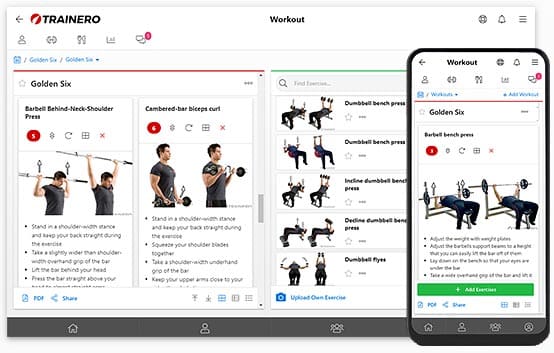
Unlock your fitness potential with Trainero! Get a 14-day free trial and access personalized workout plans, expert coaching, and progress tracking—all in one app. No commitments, just results. Start your free trial today and take your fitness journey to the next level!