
EMOM Workout: Fitness Training, Examples, and How-To
EMOM stands for “every minute on the minute”, a workout structure where you start a set of movements at the top of the next minute, complete prescribed reps within one minute, and use any built-in rest to recover. This interval training format is a fun way to keep pace, manage intensity, and focus on form. EMOMs are efficient, measurable, and scalable for all levels in the fitness world.
Understanding EMOM Workouts
An EMOM workout organizes training into one minute blocks, with each interval beginning every minute on the minute. You perform the assigned exercise or multiple exercises, finish the reps within the period, then catch your breath during the built-in rest. The acronym stands for “every minute on the minute,” and the structure encourages consistent pace, clear goals, and manageable rest periods. Coaches love EMOMs because they blend strength training, cardio conditioning, and skill practice into a repeatable session that helps you get stronger and build endurance.
What is an EMOM?
An EMOM is an interval workout where you start a movement or set of movements at the top of the next minute, complete the required reps within that minute, and rest for the remaining seconds. Finish work in under a minute, then use the remaining time to recover. For example, in 10 minutes, you might perform 12 reps of a squat or push variation each round, using the built-in rest to recover. The structure can include upper body, core, and cardio elements, vary weight and intensity, and scale from LIIT to HIIT depending on your fitness and training goals.
Benefits of EMOM Training
Builds strength, endurance, and conditioning while controlling intensity. The built-in rest periods help manage fatigue, support recovery, and reduce injury risk, letting you focus on form every second. Because the goal is to complete reps or rounds within each minute, EMOMs improve pacing and mental toughness. They also fit neatly into a routine as a HIIT workout or LIIT alternative, and they’re easy to customize for skill work, maximum effort sets, or longer sessions like 10 minutes or a fourth minute finisher.

How EMOM Differs from Other Workouts
Effort is tied to time plus task completion, rewarding efficient movement with more rest. Compared with a standard HIIT or interval workout, an EMOM’s goal-based reps encourage consistent output and form quality. You can push heavier weight, practice technique, or add many reps without losing the pace. Because EMOMs are anchored to one minute cycles, they offer predictable recovery, clear structure, and a coach-friendly format that adapts to conditioning, strength, or skill-focused training.
Designing Your EMOM Routine
Designing an EMOM workout begins with clarifying the goal of your training session and matching it to movements and intensity. Because EMOM stands for “every minute on the minute,” you’ll plan a set of movements that you can complete within one minute and use the built-in rest to recover. Align exercises, reps, and load with your goal and finish within 40–45 seconds. Keep it a fun way to get stronger while protecting form and managing rest periods.
Choosing Exercises for Your EMOM
Pick exercises that fit your goal and available equipment, then organize them into an interval workout that repeats smoothly. For strength training, anchor the routine with a squat, push, or upper body pull and add core work for balance. For cardio conditioning, use cyclical movement like rowing or jump rope and alternate with a muscle-builder like a dumbbell clean. Choose movements you can perform safely under fatigue within the minute, and that you can complete within the period while keeping focus on form.
Determining Duration and Reps
Start with 10 minutes and aim to finish work in 40–45 seconds, leaving 15–20 seconds rest. For strength, use lower reps with controlled weight; for HIIT intensity, use moderate reps and lighter load. A simple scheme is 12 reps for bodyweight work, or fewer when the load is heavy. Adjust each round so you can recover yet repeat consistent output every minute on the minute.
Creating a Balanced EMOM Workout
Balance the routine by rotating movement patterns and managing total volume across the session. Pair a lower-body squat with an upper body push, then a core or cardio minute to distribute muscular stress. Keep the interval training structure clear: one minute per exercise, built-in rest, and repeat for the planned duration. Rotate patterns and manage volume to reduce fatigue and injury risk, and let a coach scale the workout for fitness levels, from LIIT pacing to maximum HIIT efforts.

Examples of EMOM Workouts
Below are EMOM examples that illustrate how to structure an interval workout for different fitness levels. Each routine stands for every minute of purposeful work followed by built-in rest, designed to be a great way to keep intensity in check and progress measurable. Choose a plan aligned to your current conditioning and skill, and adjust reps within each period to maintain quality. Prioritize recovery, movement standards, and the ability to finish at the top of each minute.
Beginner EMOM Workouts
10 minutes, one minute per station. This routine teaches pace, lets you catch your breath, and builds foundational strength and core stability. Keep the reps or rounds steady and recover between minutes to focus on form and prevent injury. Use light or no weight and finish with 15–20 seconds rest.
| Minute | Activity |
|---|---|
| 1 | 12 reps air squat |
| 2 | 8 push variations on a box |
| 3 | 30-second easy cardio |
| 4 | 20-second plank hold |
Intermediate EMOM Routines
15-minute EMOM workout designed to balance strength and cardio. Choose a load you can complete in 40 seconds to leave built-in rest. This session trains strength and conditioning while reinforcing skill under fatigue. Keep intensity sustainable so every minute remains consistent. If you lose the ability to complete the assignment, reduce reps or weight and maintain quality movement to get stronger across the full routine.
| Minute | Movement & Reps |
|---|---|
| 1 | 10 dumbbell front squats |
| 2 | 10 push press |
| 3 | 12 calorie row |
Advanced EMOM Training Sessions
20-minute EMOM with alternating movements: odd minutes, 8 heavy front squats; even minutes, 10 burpee box jump-overs. The goal is maximum quality with controlled form while finishing each round in under 45 seconds. Another option is a fourth-minute recovery insertion: three work minutes then one recovery minute, repeated for 20 minutes. These EMOMs blend HIIT stimulus with strength training demands, challenging the core and upper body while testing endurance. Scale load so you can finish safely at the top of each minute.
| Minute | Movement |
|---|---|
| Odd minutes | 8 heavy front squats |
| Even minutes | 10 burpee box jump-overs |
Coaching Tips for Effective EMOM Workouts
Coaches can make any EMOM workout a great way to keep intensity sustainable while teaching athletes to focus on form and pacing. Because EMOM stands for “every minute on the minute,” cue athletes to finish reps within each period, then use built-in rest to recover. Reinforce clear standards, consistent output, and fatigue management. Adjust weight, movement selection, and rest periods so the session improves strength, conditioning, and skill without risking injury.
Focus on Form During Each Interval
During every minute, athletes should prioritize technique, completing each rep with clean range of motion before chasing speed. Cue a tall chest in the squat, full lockout on a push, and bracing through the core in every movement. Aim to finish in 40–45 seconds to allow 15–20 seconds to reset. Consistent standards at the top of the next minute help you get stronger, protect joints, and maintain muscular control as emoms repeat round after round.
Adjusting Intensity and Rest Periods
Intensity in an interval workout is governed by load, reps within the minute, and built-in rest. If you miss the target, reduce weight, lower reps, or add a recovery minute to the routine. For HIIT, keep work to 40 seconds and rest 20 seconds; for LIIT, target longer recovery. A coach can scale cardio or upper body volume to maintain pace while preserving form. Adjustments ensure the session remains challenging yet safe, supporting progressive strength and endurance.
Tracking Progress in EMOM Workouts
Track reps, finish time, load, and perceived exertion each session. Record weight used, the ability to complete work at the top of the next minute, and whether built-in rest remained consistent. Over 10 minutes or longer, look for fewer missed rounds and more controlled recovery. Add many reps gradually, or increase load while sustaining form. These metrics make the interval training measurable, highlight conditioning improvements, and show when it’s time to progress complexity or intensity.
Incorporating EMOM into Your Fitness Plan
Integrate an emom workout two to three times per week to build strength, cardio conditioning, and skill without overwhelming recovery. Because the acronym stands for every minute on the minute, plan a routine that fits your goal and weekly training split. Use EMOMs as a finisher, a main session, or a technique block. Balance patterns and volume, and protect rest so you can repeat quality rounds in the fitness world.
Combining EMOM with Other Training Methods
Blend EMOMs with tempo strength training, steady-state cardio, and skill practice for a comprehensive interval training plan. Start with heavy lifts, then run an interval workout EMOM to accumulate quality volume, finishing with mobility. On conditioning days, pair a short HIIT workout with a lower-intensity emom to reinforce technique under fatigue. Alternate exercises across one-minute blocks and use built-in rest to sustain intensity across the whole session.
Using EMOM for Cardio and Strength
EMOMs can target muscular strength and endurance by alternating a squat or push pattern with cyclical cardio. For example, 10 minutes of 12 reps bodyweight work followed by a row or jump rope minute helps maintain pace while building capacity. Use moderate weight for strength sets, then a cardio period to keep heart rate elevated. This stands for “every minute structure” where you complete work, recover briefly, and repeat, yielding a balanced routine that challenges core, upper body, and overall conditioning.
Setting Goals for Your EMOM Training
Set clear goals: add load, increase reps, or finish faster without sacrificing form. Plan progressions across weeks, such as adding 2.5% weight, extending to 10 minutes or longer, or inserting a fourth minute recovery to raise total rounds. Establish standards for each movement, protect rest periods, and monitor how quickly you catch your breath. By aligning EMOM goals to fitness priorities, you’ll steadily improve strength, endurance, and skill in a measurable, repeatable way.

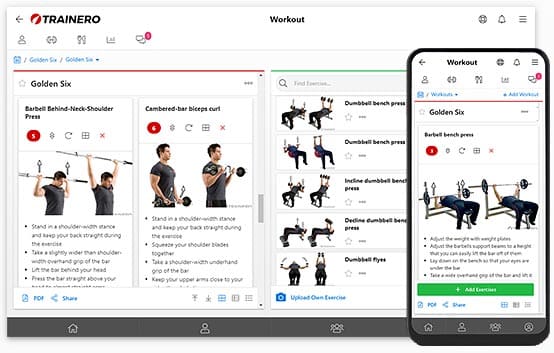
Unlock your fitness potential with Trainero! Get a 14-day free trial and access personalized workout plans, expert coaching, and progress tracking—all in one app. No commitments, just results. Start your free trial today and take your fitness journey to the next level!