
You got certified. Habit Coaching for Personal Trainers: How to Help Clients Build Lasting Change Beyond the Gym You know how to programme workouts, correct form, and help people transform their bodies. But there’s one skill most certifications don’t teach: how to actually get clients.
Client acquisition is the single biggest challenge for personal trainers at every stage — whether you’re starting from zero or trying to fill gaps in a mature schedule. Why Personal Training Clients Quit (And How to Keep Them): The Complete Client Retention Guide for 2026 The good news? Getting clients isn’t about being salesy or spending thousands on ads. It’s about consistently showing up in the right places with the right message.
Here are 15 strategies that working personal trainers use to build and maintain a full client roster. AI for Personal Trainers: How to Use Artificial Intelligence to Grow Your Coaching Business in 2026
1. Optimise Your Google Business Profile
When someone searches “personal trainer near me,” Google Business Profile results appear before any website. This is the single highest-converting free marketing channel for local personal trainers.
Action steps:
- Create or claim your Google Business Profile
- Add professional photos (of you training clients, your space, before/after results with permission)
- Write a keyword-rich description that includes your speciality, location, and services
- Ask every satisfied client to leave a Google review — aim for 20+ reviews
- Post weekly updates (training tips, client wins, availability)
- Respond to every review, positive or negative
Trainers with 30+ Google reviews and complete profiles typically appear in the top 3 local results — which is where 70% of clicks go.

2. Build a Referral System That Actually Works
Referrals are the most effective client acquisition channel in personal training. People trust recommendations from friends more than any advertisement. But hoping for referrals isn’t a strategy — you need a system.
Create a formal referral programme:
- Offer a tangible reward: a free session, discount on their next package, or a gift card
- Make it easy: give clients a shareable link or QR code
- Ask at the right time: after a client hits a milestone or shares a positive comment
- Follow up: when someone is referred, contact them within 24 hours
- Thank the referrer: always acknowledge and reward the person who sent them
A simple referral email template: “Hey [Client Name], I’m glad you’re seeing great results! If you know anyone who’d benefit from training, I’d love to offer them a free consultation. And as a thank you, your next session is on me.”
3. Offer Free Consultations (But Make Them Valuable)
A free consultation isn’t a free workout — it’s a sales conversation disguised as a service. Done right, it converts 50–70% of attendees into paying clients.
Structure your consultation:
- Movement assessment (10 min): Show them something about their body no app or YouTube video would catch
- Goal discussion (10 min): Understand their real goals, timeline, and past challenges
- Quick win (10 min): Give them one exercise, stretch, or tip they can use immediately
- Recommendation (5 min): Present your services as the solution to what you’ve identified
The key: deliver genuine value first. When a potential client walks away having learned something real about their body, they see you as the expert — not just another trainer asking for money.

4. Create Educational Content on Social Media
Social media isn’t about going viral — it’s about building trust with the people in your local area who are already considering hiring a trainer.
Content that attracts clients:
- Exercise tutorials: Short videos correcting common form mistakes
- Client transformations: Before/after results with the client’s story (with permission)
- Myth-busting: Address common misconceptions your ideal clients believe
- Day-in-the-life: Show what working with you actually looks like
- Tips and quick wins: Actionable advice that demonstrates your expertise
Platform strategy:
- Instagram: Visual content, Reels for reach, Stories for engagement
- YouTube: Longer educational videos that build authority
- LinkedIn: If targeting corporate clients or professionals
- TikTok: Short-form for reaching younger demographics
Post 3–5 times per week. Consistency matters more than perfection.

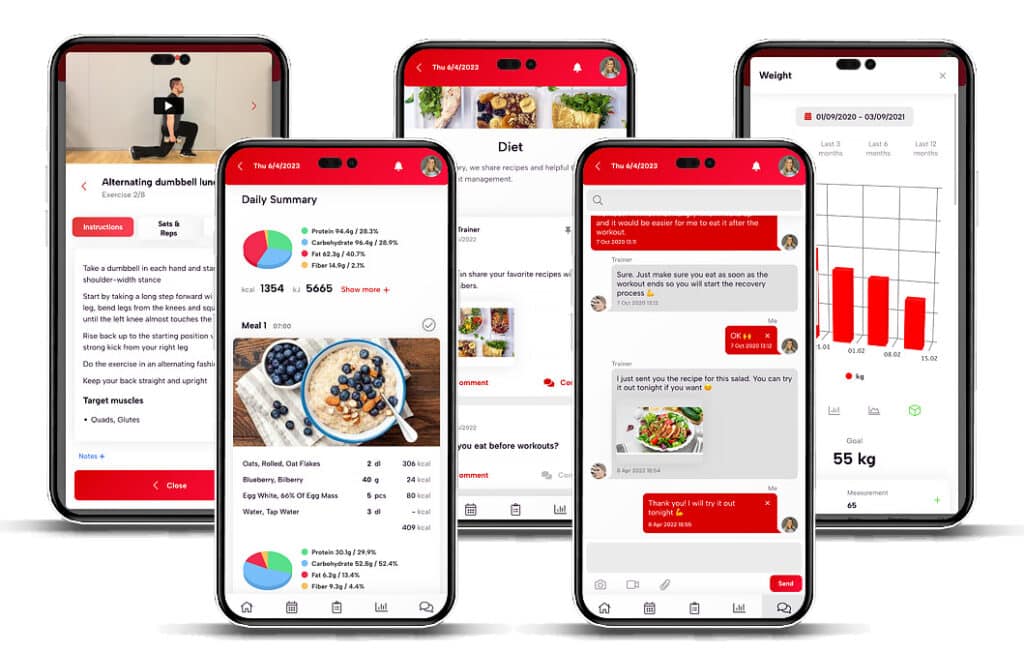
Unlock your fitness potential with Trainero! Get a 14-day free trial and access personalized workout plans, expert coaching, and progress tracking—all in one app. No commitments, just results. Start your free trial today and take your fitness journey to the next level!
5. Partner with Complementary Professionals
Other health and wellness professionals serve the same clients you do. Strategic partnerships create a steady stream of warm referrals.
High-value partnership opportunities:
- Physiotherapists: They discharge patients who need ongoing fitness guidance
- Chiropractors: Clients who need corrective exercise and strengthening
- Nutritionists/dietitians: Cross-refer clients who need both nutrition and training
- Massage therapists: Shared clients who invest in body maintenance
- GP/family doctors: Prescribing exercise for chronic conditions
Approach: don’t just ask for referrals. Offer value first — provide free workshops for their clients, share educational materials, or create a joint programme.
6. Run a 30-Day Challenge
Challenges are powerful lead generation tools. They create urgency, community, and a low-risk entry point for people who aren’t ready to commit to full personal training.
Challenge structure that converts:
- Price it affordably ($49–99) to lower the barrier to entry
- Include daily or weekly workouts delivered through your coaching app
- Create a community element (group chat, shared leaderboard)
- Provide a clear transformation promise (e.g., “Build a consistent workout habit in 30 days”)
- End with a special offer to continue training with you
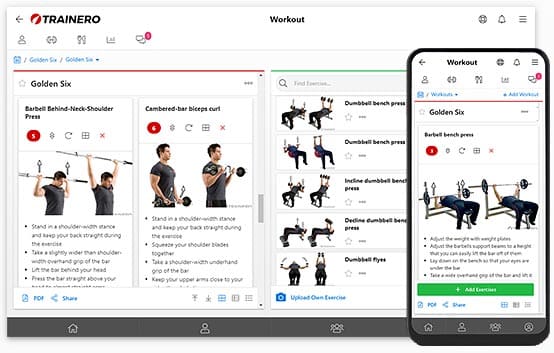
Use Trainero to deliver the challenge programme, track participant progress, and communicate with the group — all from one platform.

7. Master Local SEO with a Blog
When someone Googles “best personal trainer in [your city]” or “personal training for beginners [your area],” your website should appear. A blog with locally-focused content makes this happen.
Blog post ideas that attract local clients:
- “Best Gyms in [City] for Personal Training Sessions”
- “[City] Personal Trainer Shares 5 Tips for Beginners”
- “How to Choose a Personal Trainer in [City/Neighbourhood]”
- “Client Spotlight: [Name]’s Transformation Story in [City]”
Each post should include your city/area name naturally, link to your services page, and include a clear call to action to book a consultation.
8. Use Email Marketing to Nurture Leads
Most people who visit your website or social media aren’t ready to buy immediately. Email captures these leads and nurtures them until they’re ready.
Email strategy:
- Lead magnet: Offer a free resource (workout plan, nutrition guide, mobility routine) in exchange for their email
- Welcome sequence: 3–5 automated emails that introduce you, share your philosophy, show client results, and offer a consultation
- Weekly newsletter: Training tips, client stories, and availability updates
- Re-engagement: Reach out to past clients and inactive leads quarterly
Email marketing has an average ROI of 36x — for every $1 spent, you get $36 back. For personal trainers, even one converted client from a nurture sequence pays for years of email marketing.
9. Host Free Workshops and Events
Getting in front of potential clients in person is still one of the most effective ways to build trust and demonstrate your expertise.
Workshop ideas:
- Free Saturday morning outdoor bootcamp
- “Introduction to Strength Training” at a local community centre
- Lunch-and-learn at a corporate office
- “Mobility and Desk Posture Fix” workshop at a co-working space
- Partner with a local running shop for a “Strength for Runners” clinic
Always collect contact information from attendees and follow up within 48 hours with a personalised message and consultation offer.

10. Leverage Client Testimonials and Social Proof
Testimonials are your most powerful sales tool. They let satisfied clients sell your services for you.
How to collect and use testimonials:
- Ask for testimonials at milestone moments (first 10kg lost, first pull-up, 3-month anniversary)
- Use video testimonials when possible — they’re 2–3x more persuasive than text
- Feature testimonials prominently on your website, social media, and booking page
- Ask specific questions: “What was your biggest concern before starting? What results have you achieved? Would you recommend this to a friend?”
11. Offer Online and Hybrid Training Options
Not every potential client can afford or access in-person sessions. Offering online and hybrid options expands your reach significantly.
Why this attracts more clients:
- Lower price point opens the door to budget-conscious clients
- No geographic limitations — you can train anyone, anywhere
- Busy professionals prefer the flexibility of training on their schedule
- Hybrid models (1 in-person + 3 app-guided sessions/week) offer value at a mid-range price
Platforms like Trainero make delivering online coaching professional and seamless — from programme delivery to progress tracking to in-app communication.
12. Network at Industry Events
Fitness expos, continuing education courses, and local business networking events put you in rooms with potential referral partners and clients.
- Attend 1–2 fitness industry events per quarter
- Join your local Chamber of Commerce or business networking group
- Speak at events whenever possible — speaking positions establish authority
- Always follow up with new contacts within 48 hours
13. Create a Compelling Website
Your website is your 24/7 sales representative. It doesn’t need to be complex, but it needs to be professional and conversion-focused.
Essential website elements:
- Clear headline stating who you help and what results you deliver
- Professional photos of you in action
- Client testimonials and transformation stories
- Services and pricing (at minimum, a starting price to qualify leads)
- Easy online booking button on every page
- Mobile-responsive design (60%+ of visitors are on mobile)
14. Reactivate Past Clients
Your easiest new clients are old clients. People who’ve trained with you before already know, like, and trust you — they just need a reason to come back.
- Reach out quarterly with a personal message (not a mass email)
- Offer a “welcome back” session at a discounted rate
- Share their past results and suggest new goals to work toward
- Launch seasonal re-engagement campaigns (“New Year Kickstart,” “Summer Ready”)

15. Invest in Paid Advertising (Strategically)
Once your organic strategies are working, paid ads can accelerate growth. But they should supplement, not replace, your organic efforts.
Best ad channels for personal trainers:
- Google Ads: Target “personal trainer + [your city]” searches. High intent, high conversion.
- Instagram/Facebook Ads: Retarget website visitors and lookalike audiences based on existing clients
- Offer-based ads: Promote free consultations, challenges, or introductory packages rather than generic “hire me” messages
Start small ($5–10/day), track results rigorously, and scale what works.
The System That Keeps Clients Coming
Individual tactics work, but a system works better. Here’s a simple weekly framework:
- Monday: Post educational content on social media
- Tuesday: Send one personal outreach message (past client, referral partner, lead)
- Wednesday: Post a client win or testimonial
- Thursday: Engage with local community (comment on local businesses’ posts, attend an event)
- Friday: Ask one current client for a referral or review
Thirty minutes a day, five days a week. That’s all it takes to maintain a consistent client pipeline.
Start Today
You don’t need to implement all 15 strategies at once. Pick three that fit your current situation, commit to them for 90 days, and track the results. The trainers with full schedules aren’t necessarily better coaches — they’re better at being visible and accessible to the people who need them.
Ready to deliver a professional client experience that turns first sessions into long-term relationships? Try Trainero free and give your clients the coaching platform they deserve.
Unlock your fitness potential with Trainero! Get a 14-day free trial and access personalized workout plans, expert coaching, and progress tracking—all in one app. No commitments, just results. Start your free trial today and take your fitness journey to the next level!