The shift to online personal training isn’t a trend — it’s a permanent evolution of the fitness industry. Why Personal Training Clients Quit (And How to Keep Them): The Complete Client Retention Guide for 2026 In 2026, clients expect flexibility, and the trainers who offer online and hybrid coaching options have a significant competitive advantage over those limited to in-person only.
Whether you want to build a fully online coaching business or add an online component to your existing in-person practice, this guide walks you through every step — from choosing your model to getting your first online client. How to Create a Personal Trainer Business Plan in 2026 (Step-by-Step)
Why Online Personal Training Makes Business Sense
Before the how, let’s address the why. Habit Coaching for Personal Trainers: How to Help Clients Build Lasting Change Beyond the Gym Online personal training fundamentally changes the economics of your business:
- No geographic limitations: Your client pool expands from your local area to the entire English-speaking world
- Higher earning potential: Serve 30–50+ clients instead of 20–25 (the typical in-person ceiling)
- Better margins: No gym rent, no commute time, minimal equipment costs
- Time freedom: Deliver programmes asynchronously — you don’t need to be present for every workout
- Scalable model: Add clients without proportionally adding hours
- Recurring revenue: Monthly subscriptions create predictable income
The average in-person trainer is limited to $60,000–$80,000/year by time and location. Online trainers with the same skill level regularly earn $100,000–$200,000+ because the model scales differently.

Step 1: Choose Your Online Coaching Model
Not all online training is the same. Choose the model that matches your strengths and your ideal client’s needs.
Model A: Fully Asynchronous Online Coaching
You design programmes, clients train independently, and communication happens through messaging and check-ins.
- Pros: Maximum scalability, location independence, time flexibility
- Cons: Less personal connection, requires strong self-motivated clients
- Price range: $150–$400/month
- Client capacity: 30–80+ clients
Model B: Live Online Training
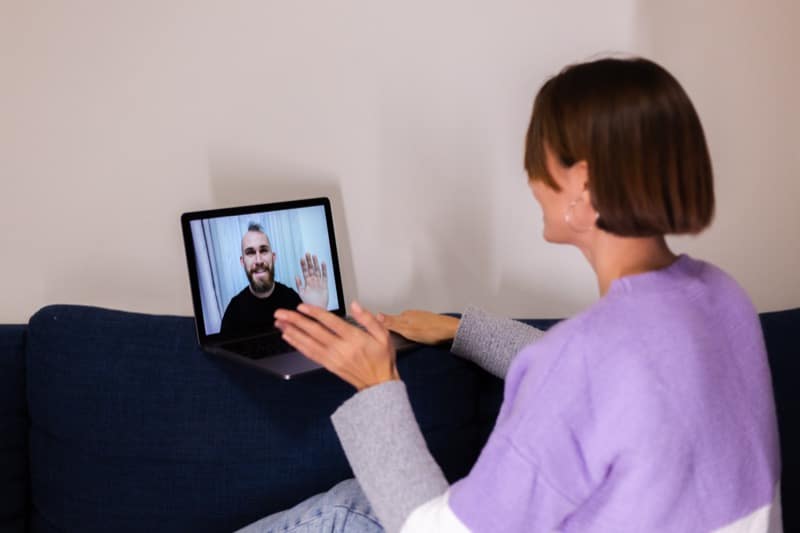
You conduct sessions via video call (Zoom, FaceTime, etc.) with real-time coaching and cuing.
- Pros: High personal connection, real-time form correction, similar experience to in-person
- Cons: Same time limitations as in-person, requires scheduling coordination
- Price range: $200–$600/month
- Client capacity: 15–25 clients (similar to in-person)
Model C: Hybrid Coaching (Recommended)
Combine asynchronous programme delivery with periodic live check-ins (weekly or fortnightly video calls).
- Pros: Best of both worlds — personal connection plus scalability
- Cons: Requires good systems to manage the blend
- Price range: $250–$800/month
- Client capacity: 25–50 clients
The hybrid model is the sweet spot for most trainers. It delivers a premium experience while maintaining the scalability that makes online coaching financially attractive.

Unlock your fitness potential with Trainero! Get a 14-day free trial and access personalized workout plans, expert coaching, and progress tracking—all in one app. No commitments, just results. Start your free trial today and take your fitness journey to the next level!
Step 2: Set Up Your Technology Stack
Your technology is your gym. Online training requires reliable tools that create a professional client experience.
Essential Tools
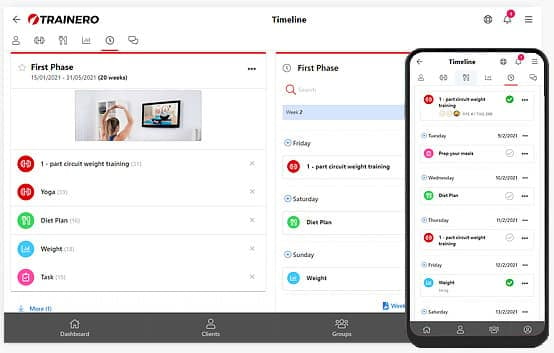
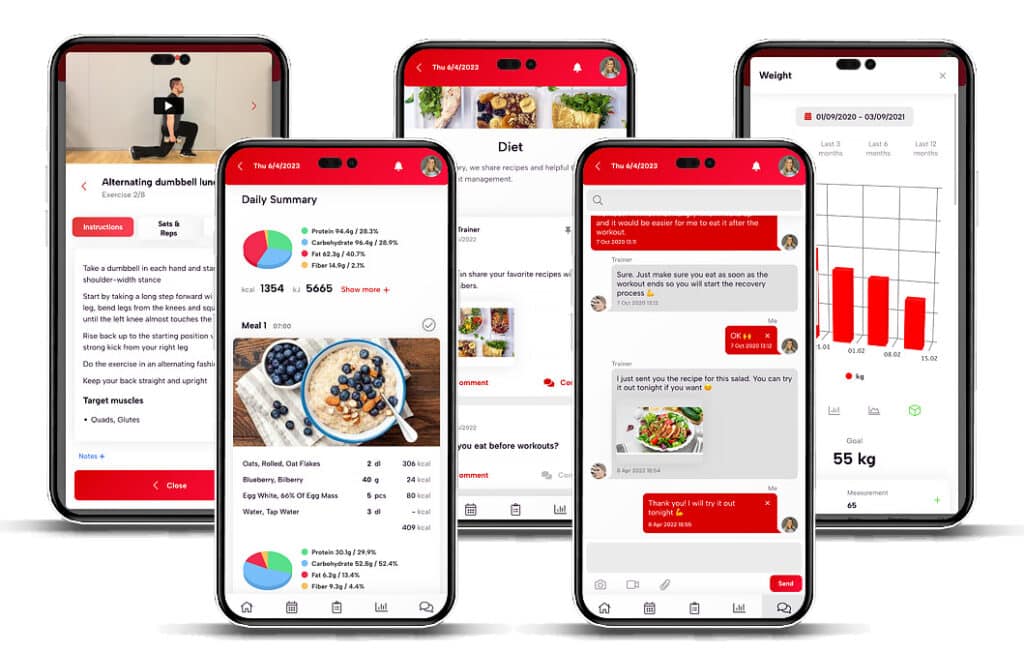
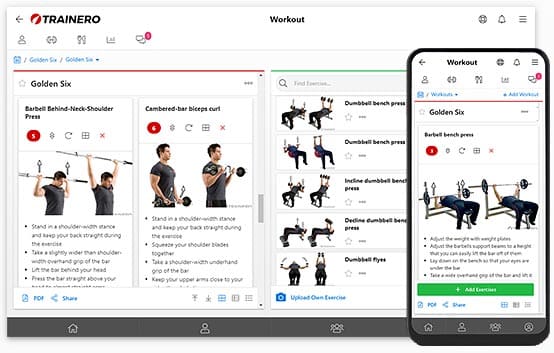
- Coaching platform: Trainero — programme design, progress tracking, client communication, scheduling, all in one platform
- Video calls: Zoom, Google Meet, or FaceTime for live sessions and check-ins
- Payment processing: Stripe or PayPal for recurring monthly billing
- Content creation: Smartphone with a tripod for exercise demo videos
Nice-to-Have Tools
- Form recording: Ask clients to film key exercises for technique review
- Wearable integration: Connect with Apple Watch, Garmin, or Fitbit data for deeper insight
- Email marketing: Mailchimp or ConvertKit for lead nurture sequences
- Social media scheduling: Buffer or Later for consistent posting
The most important decision: Choose an all-in-one coaching platform like Trainero rather than stitching together multiple apps. Your clients should have one place to access their programmes, log workouts, message you, and track progress. Anything more creates friction and looks unprofessional.

Step 3: Design Your Service Packages
Clear, well-structured packages make it easy for clients to say yes. Offer 2–3 tiers to capture different budgets and commitment levels.
Example Package Structure
Tier 1: Essential ($199/month)
- Customised monthly training programme
- Programme delivered through Trainero app
- Weekly check-in via messaging
- Exercise video library access
- Programme adjustments based on feedback
Tier 2: Premium ($349/month)
- Everything in Essential, plus:
- Fortnightly 30-minute video check-in call
- Nutrition guidelines and macro targets
- Priority messaging response (within 4 hours)
- Monthly progress review with adjusted goals
Tier 3: Elite ($599/month)
- Everything in Premium, plus:
- Weekly 30-minute video coaching call
- Detailed meal plan with adjustments
- Daily accountability check-ins
- Form review on key lifts (video submission)
- Direct access via voice notes
Pricing tip: Most clients choose the middle tier. Price it where your ideal per-client revenue sits, then make Tier 1 the “good deal” and Tier 3 the “premium experience.”
Step 4: Create Your Onboarding Process
First impressions set the tone for the entire coaching relationship. A smooth onboarding process makes clients feel confident they made the right choice.
Onboarding steps:
- Welcome email (Day 0): Congratulate them, set expectations, provide next steps
- Intake questionnaire (Day 0–1): Health history, goals, training experience, available equipment, schedule, dietary preferences
- Assessment (Day 1–3): Video call or self-recorded assessment (movement screening, current fitness level, baseline measurements)
- Programme delivery (Day 3–5): First programme loaded into Trainero with a walkthrough video or call
- Week 1 check-in (Day 7): How was the first week? Any questions? Adjustments needed?
Create templates for each step so onboarding is consistent and efficient. New clients should be training within 5 days of signing up.

Step 5: Deliver an Exceptional Training Experience
The quality of your online coaching determines whether clients stay for months or leave after one.
Programme delivery best practices:
- Include video demonstrations for every exercise (use Trainero’s built-in video library or record your own)
- Write clear coaching notes: sets, reps, tempo, rest, RPE, and any technique cues specific to the client
- Build progression into the programme — don’t just give them the same thing every week
- Adjust based on feedback, not just on a fixed schedule
Communication cadence:
- Respond to client messages within 12 hours (4 hours for premium clients)
- Send proactive check-in messages — don’t wait for them to come to you
- Celebrate wins: first pull-up, new PR, consistent week of training
- Address struggles directly: if a client goes quiet, reach out with empathy, not guilt
Progress tracking:
- Monthly progress photos (same lighting, angles, time of day)
- Body measurements (waist, hips, chest, arms, thighs)
- Performance metrics (key lifts, run times, endurance benchmarks)
- Subjective measures (energy, sleep quality, confidence, mood)
Step 6: Get Your First Online Clients
Getting your first 5–10 online clients is the hardest part. Here’s how to build momentum:
Start with Your Existing Network
- Offer current in-person clients an online option (especially those who travel or have scheduling conflicts)
- Reach out to past clients who moved away or stopped due to logistics
- Tell friends, family, and social media followers that you’re now offering online coaching
Offer Founding Member Pricing
- Discount your first 5–10 clients by 20–30% in exchange for testimonials and feedback
- Make it clear this is a limited-time founding rate that locks in permanently for them
- Use their results and testimonials to attract full-price clients
Content Marketing
- Create valuable content that demonstrates your expertise (blog posts, YouTube videos, Instagram Reels)
- Share the behind-the-scenes of online coaching — what a week looks like, how you programme, client check-in snippets (with permission)
- Write about topics your ideal online clients search for
Strategic Social Media
- Post 3–5 times per week with a mix of educational content, client results, and personality
- Use Instagram and YouTube to build authority
- Engage with potential clients in fitness-related communities and hashtags
- Include a clear CTA: “DM me ‘COACHING’ to learn more about my online programmes”
Step 7: Retain Clients Long-Term
Client retention is where the real money is. Acquiring a new client costs 5–7x more than keeping an existing one. The goal is clients who stay for 6+ months.
Retention strategies:
- Deliver results: Nothing retains clients like actual progress toward their goals
- Build the relationship: Remember personal details, ask about their life, show genuine care
- Prevent boredom: Vary programmes, introduce new challenges, keep things fresh
- Show progress: Monthly reviews comparing current metrics to starting point
- Create community: Private group for your clients to connect and motivate each other
- Evolve with them: As goals change, adapt your approach — don’t keep selling the same programme
Step 8: Scale Your Online Business
Once you’ve established a solid client base (20+ clients), here’s how to grow:
- Raise prices for new clients: Every 3–6 months, increase rates for new sign-ups
- Add group coaching: Create small group programmes (8–12 people) at a lower per-person price
- Create digital products: Sell standalone programmes, workout guides, or challenges as passive income
- Build an email list: Nurture leads with free content so you have a pipeline when you have openings
- Systemise everything: Templates for onboarding, check-ins, programme design — efficiency is how you scale without burning out
- Consider hiring: Bring on a junior coach to handle entry-level clients while you focus on premium coaching
Common Mistakes to Avoid
- Underpricing: Online coaching isn’t “less than” in-person coaching. Price based on value and results, not on the delivery method.
- Over-promising availability: Set clear response time expectations. 24/7 access leads to burnout.
- Generic programming: If your online clients get the same programme as everyone else, they’ll leave for a cheaper app. Personalisation is your advantage.
- Ignoring the client experience: How your coaching looks and feels matters. Use professional tools, not cobbled-together spreadsheets and WhatsApp groups.
- No onboarding process: First impressions determine retention. Invest in a smooth, impressive onboarding flow.
- Scaling too fast: Adding clients before your systems can handle them leads to poor service and churn.
Take the First Step
Starting an online personal training business doesn’t require a massive upfront investment. It requires a clear model, the right technology, and the willingness to start before you feel “ready.”
Your first online client might be a current in-person client who wants more flexibility. Your tenth might be someone on the other side of the country who found you through a blog post. By the time you have twenty, you’ll wonder why you didn’t start sooner.
Ready to launch your online coaching business? Trainero gives you everything you need to deliver professional online coaching — programme design, client communication, progress tracking, and scheduling — all in one platform. Start your free trial today.
Unlock your fitness potential with Trainero! Get a 14-day free trial and access personalized workout plans, expert coaching, and progress tracking—all in one app. No commitments, just results. Start your free trial today and take your fitness journey to the next level!