2026 Fitness Trends: What’s Shaping the Gym of the Future?
The fitness industry is entering 2026 with unprecedented momentum, driven by evidence-based insights, cutting-edge technology, and a renewed focus on sustainable health outcomes. According to the American College of Sports Medicine (ACSM), whose annual Worldwide Fitness Trends report surveys over 2,000 fitness professionals, clinicians, and researchers globally, the fitness landscape is undergoing a fundamental transformation.
The convergence of health and wellness priorities with technology, social connection, and smarter training methodologies is reshaping how fitness professionals deliver results. From functional training to pilates, run clubs to data-driven programming, the 2026 fitness landscape reflects research-backed insights and a renewed focus on sustainable physical activity that serves both immediate performance and long-term longevity.
Emerging Fitness Trends for 2026
Fitness trends for 2026 are grounded in hybrid access, measurable outcomes, and inclusive modalities. Fitness professionals and fitness providers are expanding group fitness and in-person options while integrating mobile exercise apps and fitness apps for seamless tracking. Gym members increasingly prioritize wellness, heart rate zones, and recovery, while gyms and fitness operators refine gym management software to personalize experiences for new members joining the fitness market post-2025.
Overview of 2026 Fitness Trends
The 2026 fitness trends highlight a shift toward health and fitness solutions that combine personal training and group training with data-driven insights. Fitness programs are becoming modality-agnostic, spanning strength training, pilates, and functional training for everyday movement. Social connection is central, with run clubs, hyrox-inspired challenges, and padel leagues drawing community. Partnerships between gyms and studios and fitness apps are leading the charge across the industry in 2026.

1. Wearable Technology
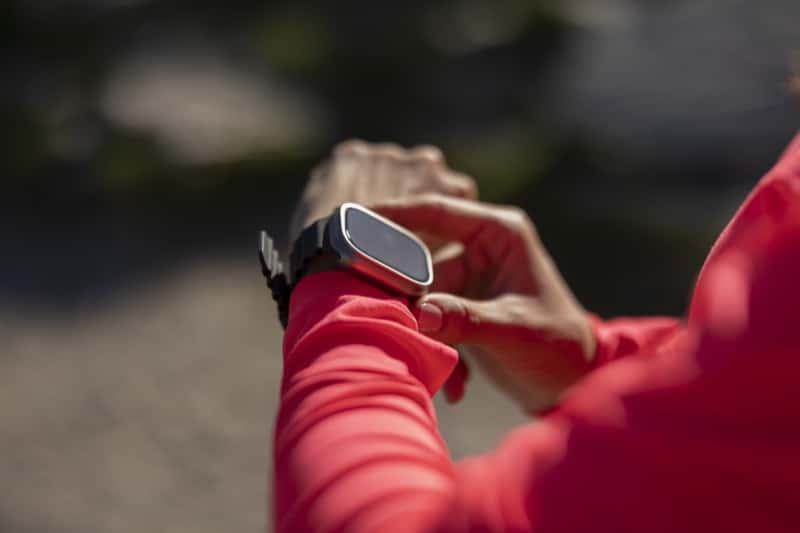
The Data: Nearly 50% of U.S. adults now own a fitness tracker or smartwatch (ACSM, 2026). Advanced biosensors have evolved far beyond step counting, now capturing heart rhythm, blood pressure, blood glucose, fall detection, skin temperature, and comprehensive recovery metrics.
What This Means for Fitness Professionals: As ACSM researchers note, “The question is no longer whether clients will use wearables—it’s how to teach them to use data in ways that best support their health and behavior change.” Fitness professionals must develop competency in data interpretation and communication, translating complex metrics into actionable coaching insights. When applied intentionally, wearables enhance individualized programming and reinforce sustainable habits over time.
2. Fitness Programs for Older Adults
The Data: All 73 million baby boomers will be over 65 by 2030, and adults 65+ now visit gyms and studios more often than any other age group (IHRSA, 2023). This demographic shift is intensifying demand for age-appropriate, evidence-based exercise options.
What This Means for Fitness Professionals: ACSM data reveals that programs labeled “functional,” “low intensity,” or “active aging” consistently attract more participants than those called “senior fitness.” Physical activity is especially critical for older adults, as evidence consistently links regular exercise to prevention and management of age-related conditions. Effective programs should emphasize strength preservation (resistance training), fall prevention (balance and mobility), and enhancement of functional capacity in Activities of Daily Living (ADLs).
3. Exercise for Weight Management
The Data: 42.4% of U.S. adults have obesity, with approximately 49% actively trying to manage their weight. The landscape has shifted with the introduction of GLP-1 medications for obesity management.
What This Means for Fitness Professionals: Exercise remains essential to long-term weight management by supporting lean mass, physical function, and metabolic health. Research shows that individuals who continue exercising during pharmacologic treatment maintain greater fat loss and preserve lean mass after stopping medication compared to those using medication alone. Position yourself as a critical partner in sustainable weight outcomes—exercise offers unique benefits that medication cannot replicate.
4. Mobile Exercise Apps
The Data: Over 345 million people used fitness apps in 2024, generating more than 850 million downloads. These apps deliver on-demand, scheduled, live-streamed, or recorded workouts, offering convenience and flexibility.
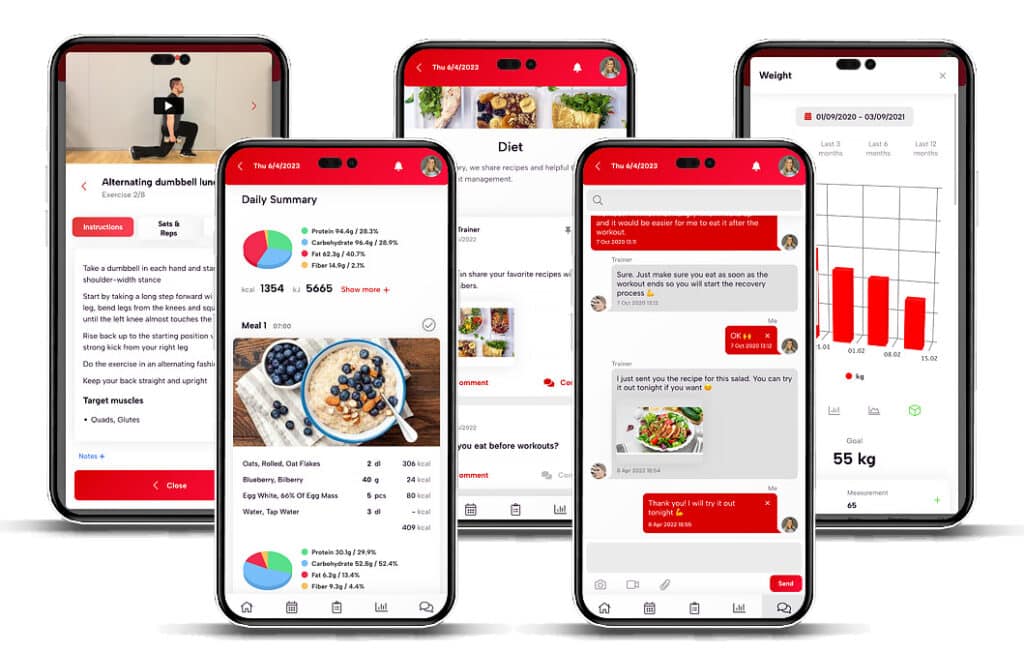
What This Means for Fitness Professionals: Mobile apps can promote exercise adherence through goal-setting, progress tracking, and habit-forming features like reminders and rewards. Research shows users value features that support structure and self-monitoring. Exercise professionals can leverage apps as supplemental tools that enhance—rather than replace—the personalized coaching that drives long-term behavior change.
5. Balance, Flow & Core Strength
What This Means for Fitness Professionals: Pilates, yoga, and core training formats have regained momentum alongside increased interest in holistic health and mind-body integration. As ACSM experts note, “These formats allow trainers to provide one-on-one attention within group settings, delivering both personalized support and opportunities to deepen the mind-body connection.” Integrate these formats to help clients improve posture, mobility, and core control—essential foundations for safer movement during strength and cardio training, especially in aging populations.
6. Exercise for Mental Health
The Data: Over one in five U.S. adults experiences a mental health condition annually. A national survey found that 78% of exercisers cite mental or emotional well-being as their top reason for working out—ahead of physical fitness or appearance goals (ACSM, 2026).
What This Means for Fitness Professionals: Exercise is now embraced as much for the mind as for the body, serving as an evidence-based strategy for stress relief, mood enhancement, and resilience building. Frame programs around mental health benefits to better align with client motivation and support long-term engagement. Resistance training reduces depressive symptoms, while mindfulness-based formats like yoga offer additional value for stress reduction and emotional well-being.
7. Traditional Strength Training
The Data: Despite its proven benefits, fewer than 30% of U.S. adults meet the recommended guidelines for muscle-strengthening activity (ACSM, 2026).
What This Means for Fitness Professionals: Strength training remains the foundation of fitness, delivering benefits for bone density, metabolic health, and mobility across the lifespan. Address participation gaps by offering progressive, inclusive, and accessible strength programs. Emphasize long-term health benefits and functional outcomes over aesthetics or performance alone. Integration into group classes, low-cost programs, or hybrid formats can reduce intimidation and promote consistency among underserved populations.
8. Data-Driven Technology
The Data: More than 70% of wearable users report applying their output data to inform exercise or recovery strategies (ACSM, 2026). A 2023 study found that athletes using Heart Rate Variability (HRV)-guided training improved performance and reduced injury rates compared to those following fixed programming.
What This Means for Fitness Professionals: Biofeedback enables personalized adjustments that align training with recovery status. Effective application requires translating raw data into actionable insights, communicating clearly with clients, and designing programs that align with individual goals and readiness. Real-time physiological data shapes how people train and recover—the key is making complex numbers meaningful and practical.
9. Adult Recreation & Sport Clubs
NEW to ACSM’s Top 20 in 2026: This trend reflects growing interest in activities that combine fitness with fun, flexibility, and social connection outside traditional gym settings. The explosive popularity of Pickleball, run clubs, and fitness leagues exemplifies this shift.
What This Means for Fitness Professionals: By emphasizing enjoyment, camaraderie, and consistent participation, adult recreation and sport clubs help reduce barriers to exercise and improve long-term adherence. These formats are particularly effective for adults who are otherwise inactive, especially those motivated by connection or casual competition. Lead community groups or collaborate with local leagues to reach populations who may not engage through traditional gym settings.
10. Functional Fitness Training
What This Means for Fitness Professionals: Functional fitness marks a shift toward movement-based health that supports independence in older adults while translating strength into everyday capability. According to ACSM, “It is not just a trend, but a cornerstone of exercise prescription.” Functional training includes strength, power, mobility, and endurance movements designed to improve physical performance in real-world activities—squats, lunges, carries, and movement patterns that transfer directly to daily life or sport. This approach benefits youth, adults, older adults, and athletic populations alike.
Trends Shaping the Future of Workouts
Trends shaping the gym in 2026 emphasize performance with purpose: progressive strength training, functional training circuits, and recovery-focused wellness. Fitness and wellness converge as research shows that accountability and social connection improve adherence. Gyms and fitness providers use fitness apps to tailor modality choices, while personal trainers deliver hybrid personal training. Expect fitness classes and group training formats to expand through partnership models and top fitness experiences across the trends of 2026.
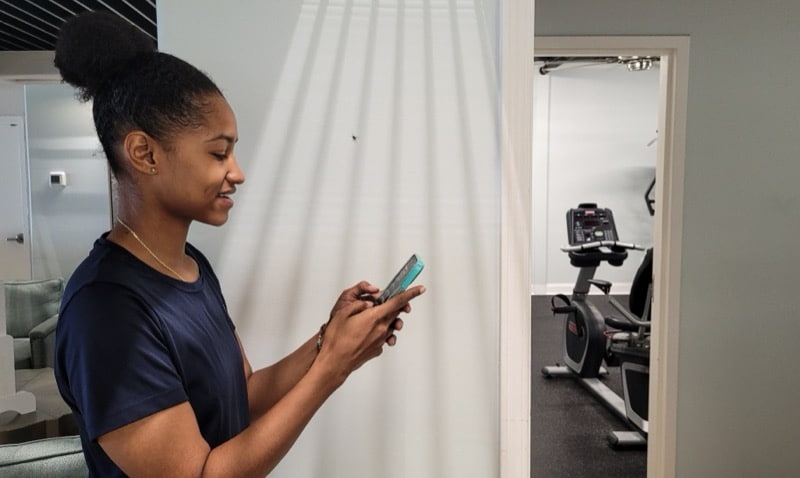
The AI Question: Tool vs. Replacement
A critical theme emerging across 2026 fitness trends: AI is shifting from “tracking” to “programming.” According to fitness industry experts, trainers can now tell clients: “Your workout will no longer be planned around guesswork. It will be programmed by your physiology, updated in real time by the data your wearables collect.”
But here’s what ACSM research makes abundantly clear: AI is a TOOL for fitness professionals, not a replacement. This shift requires human skill in data interpretation and communication, not just access to technology. AI handles data processing; fitness professionals provide context, motivation, form correction, behavior change support, and the irreplaceable human connection that drives long-term adherence and results.
Smart coaches use AI to enhance their expertise—not replace it. Your role has never been more important.
The Role of Technology in Fitness
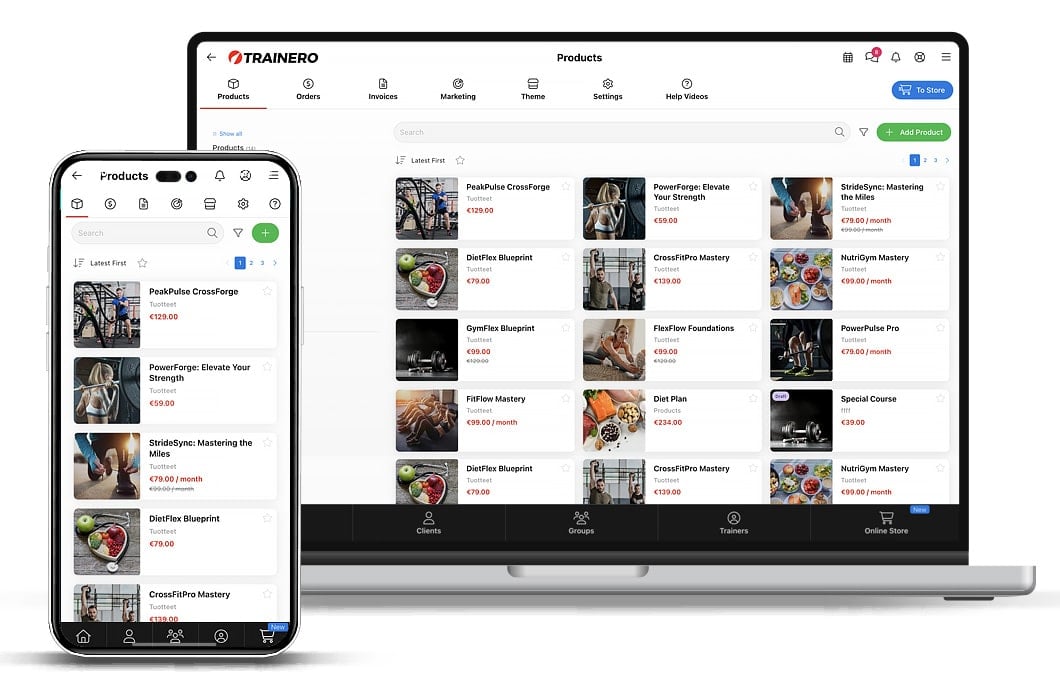
Technology is reshaping every workout on the gym floor, bridging in-person coaching with virtual class access to maximize health and wellness outcomes. Fitness apps and mobile exercise apps interpret heart rate data, schedule fitness classes, and adapt training sessions based on recovery and physical activity. As consumer demand grows, gyms and studios deploy gym management software that personalizes fitness programs, supports social connection, and aligns with fitness trends for 2026 across the fitness industry.
Mobile Exercise Apps Revolutionizing Workouts
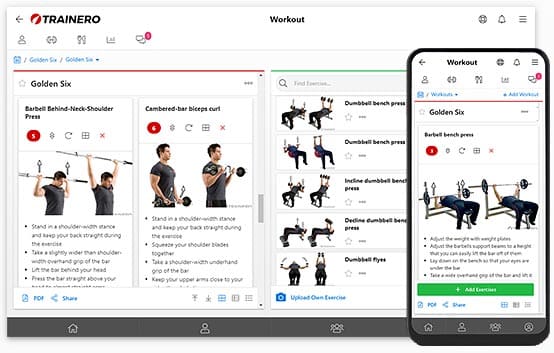
Mobile exercise apps are the connective tissue of 2026 fitness, syncing wearables, gym membership perks, and personal training plans. They guide functional training, pilates, and strength training with real-time heart rate zones, while nudging consistency through run clubs, hyrox prep, and padel meetups. Fitness professionals leverage data to prioritize progression, and research shows adherence improves when programs adapt to modality preferences and provide group training options that follow the trends shaping the industry in 2026.
Wearable Technology and Fitness Tracking
Wearables translate physical exercise into actionable insights, elevating health and fitness by tracking sleep, heart rate variability, and output per workout. Integrated with fitness apps and gym management software, they help personal trainers refine fitness programs and personalize recovery for gym members. In 2026 fitness trends, gyms and fitness providers use dashboards to identify top fitness opportunities, customize fitness classes, and validate progress, meeting consumer demand for measurable outcomes across the industry in 2026.
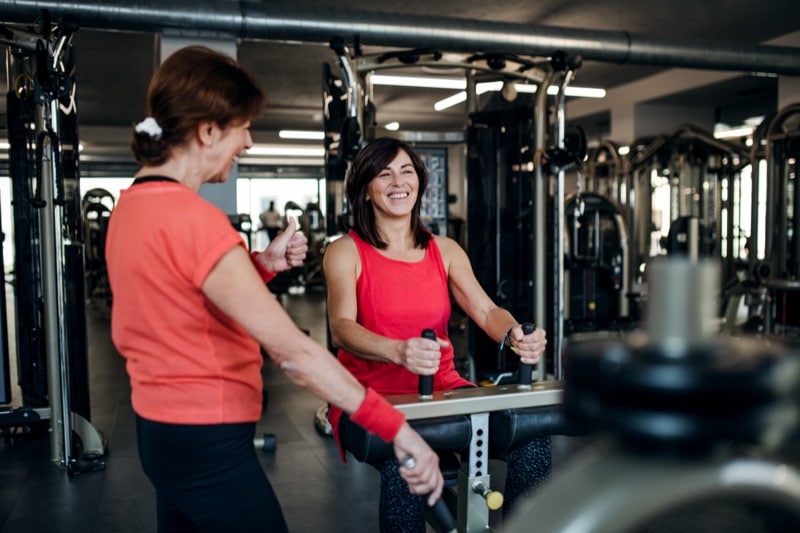
Strength Training: The Backbone of Fitness in 2026
Strength training anchors 2026 fitness trends by delivering longevity, metabolism support, and performance across every modality. Fitness professionals program progressive overload while fitness apps track volume, intensity, and recovery via heart rate. Gyms and fitness providers highlight group training templates that pair functional training with pilates-inspired mobility. Research shows that consistent resistance sessions improve health and wellness, aligning with consumer demand for results-driven fitness programs on the gym floor and at home.
Strength Training with Free Weights
Free weights remain a top fitness choice, enabling compound lifts and unilateral stability work that transfer to daily physical activity. Personal trainers coach barbell and dumbbell progressions, while gym management software logs training sessions and flags plateaus. In 2026 fitness, members prioritize technique, tempo, and recovery, using fitness apps to track sets and heart rate. Group fitness formats integrate cycles of strength and conditioning, echoing fitness trends for 2026 that emphasize measurable outcomes.
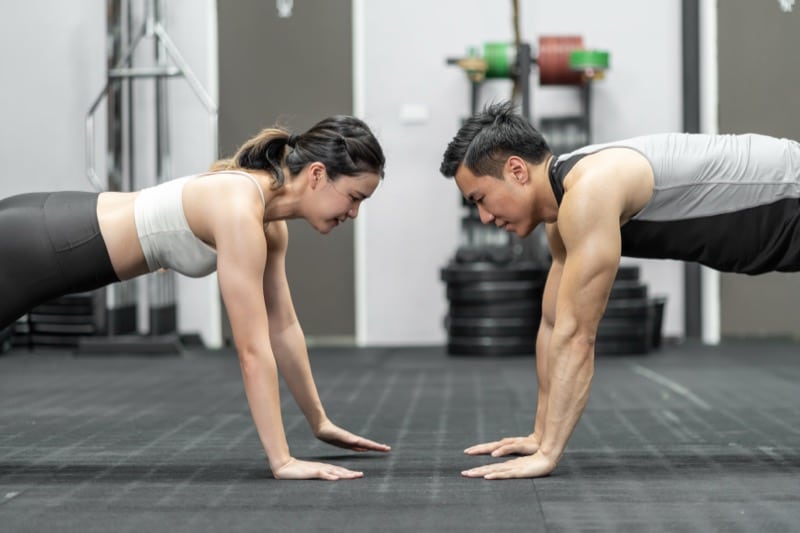
Integrating Bodyweight Exercises
Bodyweight training complements strength training by reinforcing control, joint health, and core stability without equipment barriers for new members. Personal training blends push-pull patterns, tempo squats, and mobility flows that align with pilates principles and functional training goals. Apps deliver scalable progressions for in-person or virtual class formats, supporting consistent workout habits. Research shows bodyweight circuits enhance adherence, helping gyms and studios serve consumer demand while maintaining variety across the trends shaping 2026 fitness.
Innovative Equipment Trends
Innovative equipment trends reflect the latest fitness needs: smart racks, velocity trackers, and modular rigs that adapt to modality changes. Les Mills releases inspire hybrid stations, while padel and run clubs integrate strength stations for cross-training. Gyms and fitness providers deploy sensors tied to fitness apps and gym management software to prioritize safe load increases. Partnerships across the fitness industry enable data sharing, ensuring group training and personal training deliver results-driven outcomes in 2026.

Wellness and Mental Health in Fitness
Wellness and mental health are central to every 2026 fitness trend, as research shows that consistent physical activity enhances mood, resilience, and sleep. Fitness professionals now integrate breathwork, pilates-inspired mobility, and low-intensity steady sessions to manage stress on and off the gym floor. Gyms and fitness providers use fitness apps to track heart rate variability, helping gym members prioritize recovery. This fusion of fitness and wellness reflects consumer demand across the industry in 2026.
Exercise for Mental Health Benefits
Exercise improves health and wellness by modulating stress hormones and elevating mood, and 2026 fitness trends make this measurable. Fitness programs pair strength training with functional training and restorative pilates to balance nervous system load. Mobile exercise apps and gym management software surface heart rate and sleep insights so a personal trainer can adjust training sessions in-person or via virtual class. Research shows even short bouts of physical exercise reduce anxiety and sustain adherence.
Social Connection in Group Workouts
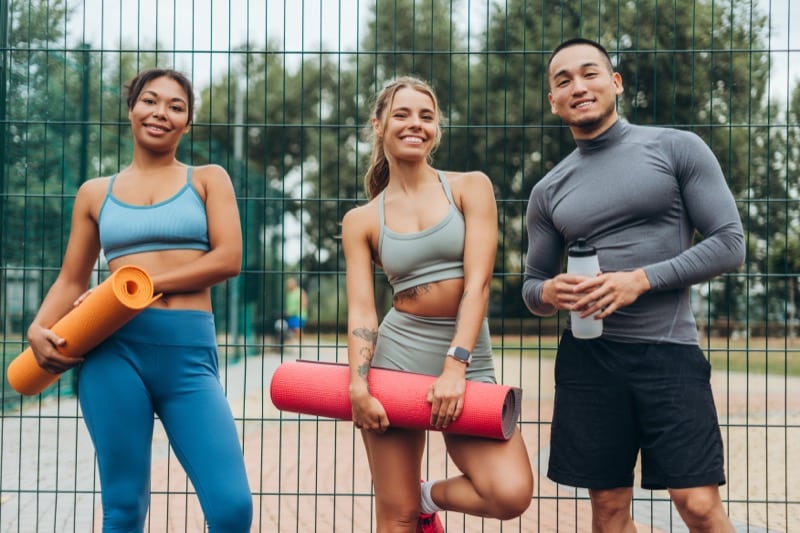
Social connection anchors group fitness in 2026, with run clubs, Hyrox prep squads, and padel leagues building belonging. Group training creates accountability that keeps new members engaged on the gym floor and between fitness classes. The following tools and approaches help sustain this momentum:
- Fitness apps coordinate meetups, track attendance, and reward consistency through gym membership perks.
- Gyms and studios leverage partnership models to expand access.
- Personal training complements community workouts, meeting consumer demand for purpose-driven physical activity.
Holistic Approaches to Wellness
Holistic wellness blends health and fitness with recovery, sleep, and mindset coaching across modalities. Fitness providers integrate pilates, mobility, and breath-led cool downs into workout templates, while fitness apps nudge hydration and restorative steps. A personal trainer may periodize strength training intensity based on heart rate trends, aligning with evidence-based insights. Gyms and fitness programs increasingly prioritize lifestyle habits, using gym management software to coordinate referrals to nutrition and mental health partners.

Unlock your fitness potential with Trainero! Get a 14-day free trial and access personalized workout plans, expert coaching, and progress tracking—all in one app. No commitments, just results. Start your free trial today and take your fitness journey to the next level!