Do You Need Six-Pack Abs to Be a Fitness Trainer?
While six-pack abs and a lean physique may be the hallmark of fitness influencers, they are no longer seen as essential for being an effective personal trainer. Understanding the diverse needs of clients is becoming more important than the trainer’s own physical appearance.
The Role of a Personal Trainer
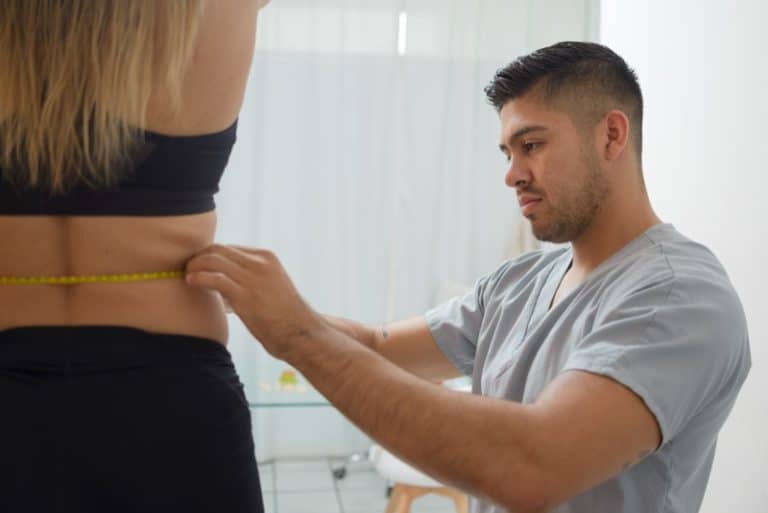
A personal trainer serves as a guide and motivator, helping clients achieve their fitness goals through customized exercise and nutrition plans. The primary role is to empower clients, offering support and expertise tailored to individual needs. Trainers are not just about aesthetics; they focus on improving overall health and fitness, considering a client’s unique body type and fitness levels.
Understanding the Client’s Needs
Effective trainers prioritize understanding their client’s specific requirements, whether they are busy parents, older adults, or desk-bound workers. By specializing in niche markets, trainers can help clients with varying physical fitness levels and health goals. It is essential for trainers to recognize the limits and abilities of each individual, crafting programs that are not only effective but also realistic and sustainable.
Qualifications and Certification
While physical shape can be an asset, possessing the right qualifications and certification, such as those offered by ISSA, is crucial. These credentials certify a trainer’s knowledge in fitness, exercise, and nutrition, ensuring they can safely and effectively help clients. Certification also signifies a commitment to professionalism and continuous learning in the dynamic field of health and fitness.
Fitness Trainer vs. Personal Fitness Trainer
The distinction between a fitness trainer and a personal fitness trainer often lies in the level of personalized attention given to clients. A personal fitness trainer typically works one-on-one, developing tailored workouts and diet plans, whereas a fitness trainer might instruct larger groups. Both roles require a deep understanding of fitness principles and a passion for helping people achieve their fitness goals.
Physical Shape and Its Importance
What Does Being in Good Shape Mean?
Being in good shape transcends the aesthetic appeal of having six-pack abs. For a personal trainer, it is about embodying a level of health and fitness that allows them to effectively demonstrate exercises and lead by example. Good physical fitness involves a balance of strength, endurance, and flexibility, enabling trainers to meet diverse client needs and ensure effective workout sessions.
Client Perception of Trainers
Clients often perceive trainers as role models of health and fitness. However, the ideal image of what a trainer should look like is evolving. Many clients prioritize the trainer’s ability to help them achieve their fitness goals over their physical appearance. While a lean physique might be inspiring, clients value trainers who possess the skills and knowledge to create personalized training programs that align with their unique body type and fitness levels.
Six-Pack Abs: A Necessity or a Preference?
The pursuit of six-pack abs is often seen as a benchmark of fitness success, yet it remains a personal preference rather than a necessity. For personal trainers, having a six-pack is not a prerequisite for success. Instead, trainers should focus on helping clients reduce body fat, strengthen core muscles, and improve overall health through effective diet and exercise plans tailored to individual needs and preferences.
Coaching Diverse Clientele
Working with Busy Parents
Training busy parents requires a flexible approach that takes into account their hectic schedules and unique fitness needs. Personal trainers can empower these clients by designing time-efficient workouts that fit into their daily routines. Offering home-based exercise programs and nutritional guidance can help clients maintain a healthy lifestyle without compromising family commitments, enabling them to achieve their fitness goals.
Training Older Adults
Older adults often seek personal trainers who understand the specific challenges associated with aging. Trainers must adapt exercises to accommodate potential physical limitations while focusing on improving mobility, strength, and balance. By specializing in this niche, trainers can help older clients enhance their quality of life, prevent injuries, and maintain independence through personalized fitness routines and supportive coaching.
Supporting Neurodivergent Clients
Working with neurodivergent clients requires an understanding of their unique needs and preferences. Personal trainers should create a supportive and accommodating environment, using clear communication and structured routines to aid in fitness training. By incorporating elements of fun and engagement, trainers can help these clients enjoy exercise, reduce anxiety, and achieve their fitness goals in a manner that respects their individuality.
Creating Effective Workout Routines
Incorporating Nutrition into Fitness Plans
Nutrition is a critical component of any effective fitness plan. Personal trainers must educate clients on how to combine exercise routines with proper dietary habits to optimize results. By understanding a client’s unique fitness goals, trainers can tailor nutrition advice that complements their workout programs. This holistic approach ensures that clients not only build strength and endurance but also manage body fat levels and support overall health.
Tailoring Workouts for Different Goals
Effective personal trainers recognize that each client has distinct aspirations, whether it’s to get a six-pack, improve cardiovascular health, or increase strength. By personalizing workout routines, trainers can help clients achieve specific fitness goals. This might involve varying exercise intensity, focusing on particular muscle groups, or integrating activities like yoga or Pilates to enhance flexibility and core strength, ensuring a balanced fitness regimen.
Special Considerations for Postpartum Women
Postpartum women require special attention when re-entering the fitness world. Trainers should focus on rebuilding core muscles and gradually increasing exercise intensity to accommodate changes in the body. Understanding the physical and emotional challenges faced during this period allows trainers to create supportive, effective programs. This approach not only aids in physical recovery but also empowers new mothers to regain confidence and strength.
Conclusion: Beyond the Six-Pack
Emphasizing Holistic Health
In the quest for fitness, it is crucial to look beyond the aesthetic appeal of six-pack abs. Personal trainers should emphasize holistic health, concentrating on mental, emotional, and physical well-being. By fostering a balanced approach to fitness and nutrition, trainers can help clients achieve sustainable health improvements, encouraging them to appreciate their journey towards becoming fit and healthy, regardless of their body type or level of body fat.
Building Strong Client Relationships
Strong relationships between trainers and clients are foundational to successful personal training. Understanding each client’s unique needs, limitations, and goals allows trainers to offer personalized support and encouragement. By acting as both coach and mentor, trainers can inspire confidence and motivation, ensuring clients feel valued and understood. This rapport fosters a positive training environment, enhancing client satisfaction and long-term commitment to fitness.
Redefining Success in Fitness Training
Success in fitness training is not solely defined by achieving a six-pack or a lean physique. For trainers, it involves helping people reach personal milestones and improve their quality of life through tailored exercise and nutrition plans. By redefining success, trainers can create inclusive, supportive spaces where clients of all backgrounds and fitness levels feel empowered to pursue their health and fitness aspirations.

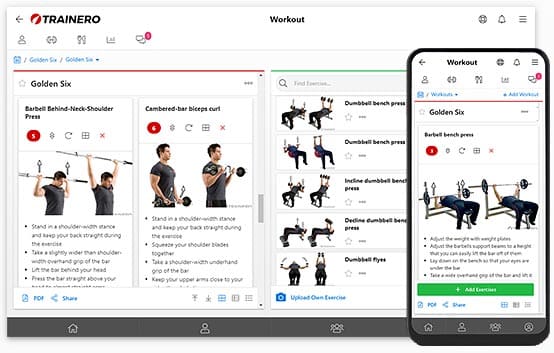
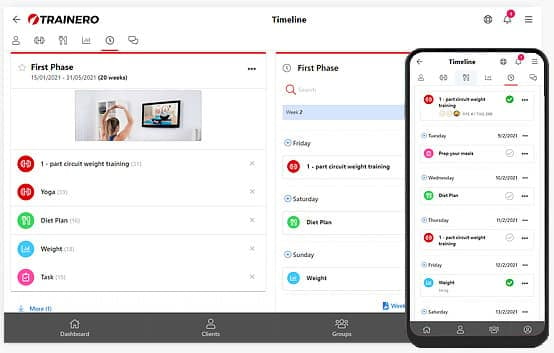
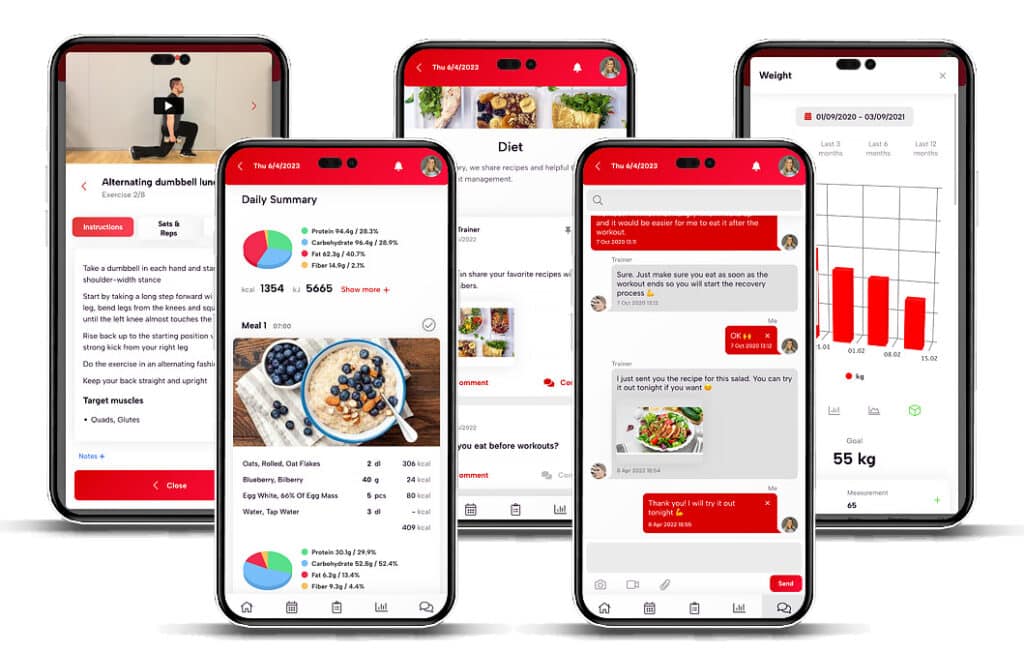
Unlock your fitness potential with Trainero! Get a 14-day free trial and access personalized workout plans, expert coaching, and progress tracking—all in one app. No commitments, just results. Start your free trial today and take your fitness journey to the next level!