
The best workout program in the world fails if the client goes home and sleeps four hours, skips meals, sits for 12 hours, and scrolls through their phone until midnight. Every experienced personal trainer has watched this happen. A client who trains consistently still struggles to see results because the other 23 hours of their day are working against them.
This is where habit coaching changes everything.
In 2026, the most successful personal trainers are no longer just workout designers. They are behavior change specialists who help clients build the daily habits that make training results stick. Sleep, hydration, nutrition timing, stress management, movement outside the gym – these are the behaviors that determine whether a client transforms their health or stays stuck despite showing up three times a week.
Habit coaching is not a separate service you need to add. It is a lens through which you can make your existing coaching dramatically more effective. This guide explains the science behind habit change, gives you practical frameworks to implement immediately, and shows you how to integrate habit coaching into your personal training business.

Why Workouts Alone Are Not Enough
Personal trainers are trained to design exercise programs. That is the foundation of the profession, and it matters. But the uncomfortable truth is that training accounts for roughly 3 to 5 hours of a client’s week. What happens during the remaining 163 hours has an equal or greater impact on their results.
A client who trains hard but consistently undersleeps will struggle with recovery, hormone regulation, and energy. A client who hits every session but survives on processed food and erratic meal timing will plateau despite progressive overload. A client who exercises intensely but spends every other waking hour sedentary misses the enormous health benefits of general daily movement.
Research from the National Academy of Sports Medicine (NASM) found that trainers who incorporated behavior change principles into their programming saw client success rates jump from 65% to 98%. That is not a marginal improvement. It is the difference between a struggling business and a thriving one.
The shift toward what the industry calls 360-degree coaching – supporting clients across training, nutrition, sleep, stress, hydration, and daily movement – is not a trend. It is a recognition that human health is not compartmentalized, and neither should coaching be.
The Science of Habit Formation: What Every Trainer Needs to Know
Before you can coach habits effectively, you need to understand how habits actually work. The science is straightforward, and knowing these principles will make you a dramatically better coach.
The Habit Loop
Every habit follows a three-part cycle: cue, routine, and reward. The cue is the trigger that initiates the behavior – an alarm going off, arriving home from work, or feeling stressed. The routine is the behavior itself – going for a walk, eating a snack, or checking your phone. The reward is the positive feeling or outcome that reinforces the behavior – energy, satisfaction, or relief.
To help clients build new habits, you need to work with all three elements. Identify a reliable cue, attach the desired behavior to it, and ensure the client experiences a meaningful reward. Without all three components, the behavior will not become automatic.
Habit Stacking
Popularized by James Clear in Atomic Habits, habit stacking is one of the most effective tools available to coaches. The concept is simple: attach a new behavior to an existing one.
Instead of telling a client to “drink more water,” you link the new habit to something they already do every day: “After you pour your morning coffee, fill a 500ml water bottle and drink it before your first sip of coffee.” The existing habit (making coffee) becomes the cue for the new habit (drinking water). This is vastly more effective than vague instructions because it eliminates the need for willpower and decision-making.
Examples of habit stacks for fitness clients include drinking a glass of water after brushing teeth in the morning, doing five minutes of stretching after sitting down at their work desk, eating a protein-rich snack after arriving home from work, and writing down three things they are grateful for after getting into bed at night.

The Two-Minute Rule
When clients try to build habits, the biggest enemy is ambition. A client who commits to meditating for 30 minutes, meal-prepping every Sunday, and walking 10,000 steps will likely sustain none of these within a month. The change is too large, too fast, and too reliant on motivation.
The two-minute rule states that any new habit should take less than two minutes to complete at the start. The goal is not to produce an impressive outcome. It is to establish the neural pathway that makes the behavior automatic.
A client who commits to one minute of stretching after waking up will do it almost every day. After two weeks, that minute naturally extends to five. After a month, it becomes ten. The habit was built on consistency, not on an ambitious starting point that motivation could not sustain.
Keystone Habits
Not all habits are equal. Some habits create a cascade of positive changes that extend far beyond the original behavior. These are called keystone habits, and identifying them for each client is one of the highest-value things you can do as a coach.
Exercise itself is one of the most powerful keystone habits. Research consistently shows that people who begin exercising regularly also tend to eat better, sleep more, drink less alcohol, and report improved mood and productivity – even though nobody told them to change those behaviors. The exercise habit creates a ripple effect.
For your clients, the keystone habit might be going to bed 30 minutes earlier, preparing lunch the night before, or taking a 10-minute walk after dinner. The key is to identify the single behavior that, when established, will naturally improve multiple other areas of their life.

Unlock your fitness potential with Trainero! Get a 14-day free trial and access personalized workout plans, expert coaching, and progress tracking—all in one app. No commitments, just results. Start your free trial today and take your fitness journey to the next level!
A Practical Framework: Implementing Habit Coaching With Your Clients
Knowing the science is one thing. Applying it with real clients is another. Here is a step-by-step framework you can implement immediately.
Step 1: Assess Current Habits Before Prescribing New Ones
Before adding new habits, you need to understand the existing landscape. During your initial assessment or a dedicated habit coaching conversation, ask questions that reveal daily patterns. What does your client’s morning routine look like? When do they eat their first and last meals? How much water do they drink, and when? What time do they typically go to bed and wake up? How much time do they spend sitting versus moving during a typical workday? What do they do when they feel stressed, bored, or tired?
These questions uncover the daily behaviors that are either supporting or undermining their training. You will often find that the thing holding a client back is not their workout program but a pattern they have not even noticed – like eating nothing until 2 PM, drinking coffee at 4 PM and then struggling to sleep, or spending every evening on the couch without any movement.
Step 2: Choose One Habit at a Time
This is where most trainers go wrong. Excited by the possibilities, they hand a client a list of eight new habits and expect them to implement all of them simultaneously. This approach fails almost every time.
Research on behavior change consistently shows that focusing on one habit at a time dramatically increases the likelihood of that habit becoming permanent. Once a habit is established (typically after 3 to 6 weeks of consistent practice), you can layer in the next one.
Start with the habit that will have the largest impact with the least friction. For a client who sleeps five hours a night, improving sleep will do more for their results than any nutritional tweak. For a client who eats well but is completely sedentary outside of training, adding daily steps might be the keystone that unlocks everything else.
Step 3: Make the Habit Ridiculously Small
Apply the two-minute rule. Whatever habit you and the client agree on, reduce it to its smallest possible version. If the goal is better hydration, the habit is “drink one glass of water when you wake up.” If the goal is more daily movement, the habit is “walk for five minutes after lunch.” If the goal is improved sleep, the habit is “set a phone alarm for 10 PM that signals bedtime preparation.”
Small habits build identity. A client who drinks water every morning starts to think of themselves as “someone who takes care of their health.” That identity shift is more powerful than any single behavior because it influences every decision they make throughout the day.

Step 4: Build Accountability Without Micromanagement
Habit coaching only works if there is accountability between sessions. This does not mean policing your clients or sending them guilt-inducing messages. It means creating a simple system where they report on their habit, and you acknowledge their effort.
A daily check-in through your coaching platform can be as simple as a single question: “Did you complete your habit today? Yes or No.” The client taps a response, you see it in your dashboard, and you send a brief message of acknowledgment or encouragement. This takes less than 30 seconds per client and creates a powerful sense of being seen and supported.
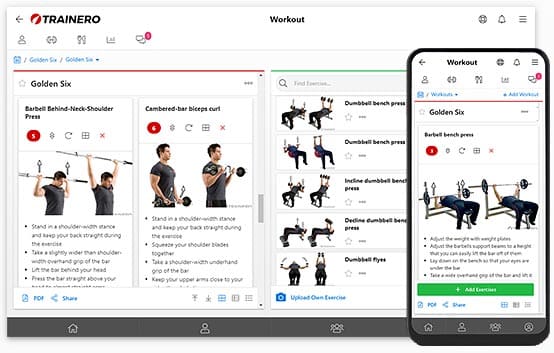
Using Trainero as your coaching platform, you can integrate these check-ins alongside workout tracking and nutrition guidance, creating a unified client experience where habits are not an afterthought but a core part of the coaching process.
Step 5: Track, Review, and Progress
After two to four weeks, review the habit with your client. Has it become automatic? Are they doing it without thinking about it? If yes, celebrate the win and introduce the next habit in the sequence. If not, troubleshoot together. Was the habit too ambitious? Was the cue unreliable? Did life circumstances make it impractical?
Adjust and try again. Habit coaching is iterative. Not every habit will stick on the first attempt, and that is completely normal. What matters is that you are systematically helping your client build a lifestyle that supports their goals, one small behavior at a time.
The 10 Most Impactful Habits to Coach With Fitness Clients
While every client’s needs are different, certain habits consistently produce the biggest results across a wide range of fitness goals. Here are the ten most valuable habits to have in your coaching toolkit.
1. Morning hydration. Drinking 500ml of water within 30 minutes of waking up. Impacts energy, metabolism, and cognitive function for the entire day.
2. Protein at every meal. Ensuring each main meal contains a palm-sized portion of protein. Supports muscle recovery, satiety, and body composition goals.
3. Daily step count. Building toward 7,000 to 10,000 steps per day through incidental movement. One of the most powerful predictors of long-term health and body composition.
4. Consistent sleep schedule. Going to bed and waking up within the same 30-minute window every day, including weekends. More important than total sleep duration for hormonal health and recovery.
5. Screen-free wind-down. Stopping phone and screen use 30 to 60 minutes before bed. Dramatically improves sleep quality and reduces the time it takes to fall asleep.
6. Pre-prepared meals or snacks. Preparing at least one meal or snack the evening before a busy day. Reduces reliance on convenience food and supports nutritional consistency.
7. Post-meal movement. Walking for 5 to 15 minutes after a main meal. Improves blood sugar regulation, digestion, and daily movement totals.
8. Stress awareness pause. Taking three deep breaths when noticing physical tension or emotional stress during the day. Builds the client’s ability to recognize and manage stress before it drives unhealthy coping behaviors.
9. Weekly reflection. Spending 5 minutes at the end of each week reviewing what went well, what was challenging, and what to focus on next week. Creates self-awareness and a sense of agency in the coaching process.
10. Training session preparation. Packing gym clothes, filling a water bottle, and reviewing the workout plan the evening before each training session. Removes friction and reduces the likelihood of skipping a session.
How Habit Coaching Transforms Your Business
Habit coaching does not just help your clients. It fundamentally strengthens your business in multiple ways.
Higher retention rates. Clients who see improvements in their sleep, energy, and daily well-being attribute those changes to your coaching, even between sessions. They feel the value of working with you every day, not just during workouts. This dramatically reduces churn and increases the average length of the coaching relationship.
Premium pricing justification. Habit coaching elevates you from a “workout provider” to a “lifestyle transformation partner.” This distinction supports higher pricing because you are delivering value across all areas of the client’s health, not just programming their training sessions.
Scalable coaching model. Habit coaching can be delivered efficiently through a coaching platform without requiring additional session time. A single daily check-in per client takes minimal effort but creates enormous perceived value and accountability. This makes it possible to support more clients without working more hours.
Better client results. When your clients achieve results that stick, they become your most powerful marketing asset. Referrals, testimonials, and word-of-mouth recommendations flow naturally from clients who have genuinely transformed their lifestyle, not just completed a 12-week program.
Differentiation from competitors. Most personal trainers still focus exclusively on workouts. By integrating habit coaching into your practice, you immediately stand out in a crowded market. You are offering something that generic workout apps and AI-generated programs cannot replicate: personalized, human-guided behavior change.

Integrating Habit Coaching Into Your Coaching Platform
Effective habit coaching requires a system. Relying on memory, scattered text messages, and separate apps will break down as your client roster grows. The most efficient approach is to integrate habit tracking directly into the same platform where you manage workouts, nutrition, and client communication.
Trainero provides a comprehensive coaching platform where you can build and deliver workout and diet plans alongside daily habit tracking, communicate with clients about their habits and progress in one place, create educational content and courses that teach clients the principles of habit change, and manage groups for community-based habit challenges.
When everything lives in one platform, habit coaching becomes a seamless part of the client experience rather than an additional layer of complexity. Your clients open their app and see their workout, their nutrition plan, and their daily habits side by side – reinforcing the message that their health is a complete picture, not a collection of disconnected parts.
Getting Started: Your First Week of Habit Coaching
If you have never coached habits before, start here.
Day 1: Choose three clients who would benefit most from habit coaching. These are typically clients who train consistently but struggle with results, or clients who are at risk of disengaging.
Day 2: Have a conversation with each client about their daily routines. Use the assessment questions from the framework above. Listen for the patterns that are most affecting their results.
Day 3: Identify one habit for each client. Choose the behavior that will create the biggest impact with the least resistance. Reduce it to its smallest version.
Day 4: Set up tracking in your coaching platform. Create a simple daily check-in that takes the client less than 10 seconds to complete.
Day 5-7: Monitor and respond. Check your dashboard daily. Send a brief message of acknowledgment to each client, whether they completed the habit or not. Celebrate consistency. Normalize imperfection.
After one week, you will already see the impact on client engagement. After four weeks, you will see the impact on their results. After three months, you will wonder how you ever coached without it.
The Future of Coaching Is Holistic
The personal training industry is evolving rapidly. Clients in 2026 do not just want someone to count their reps. They want a trusted guide who helps them sleep better, eat smarter, manage stress, move more, and build a lifestyle that supports their long-term health and happiness.
Habit coaching is how you deliver on that expectation. It is the bridge between what happens in training sessions and what happens in everyday life. And it is the single most effective way to help clients achieve results that last, not just for 12 weeks, but for years.
The trainers who master this skill will not just survive the AI disruption and market saturation of the coming years. They will thrive, because what they offer – genuine, personalized, human-guided behavior change – is the one thing technology cannot replicate.
Start Coaching the Whole Person Today
Trainero gives personal trainers everything they need to deliver holistic coaching that goes beyond workouts. Build customized training and nutrition plans. Track habits and daily behaviors. Communicate with clients between sessions. Create educational courses. Manage your entire coaching business from one platform.
Unlock your fitness potential with Trainero! Get a 14-day free trial and access personalized workout plans, expert coaching, and progress tracking—all in one app. No commitments, just results. Start your free trial today and take your fitness journey to the next level!