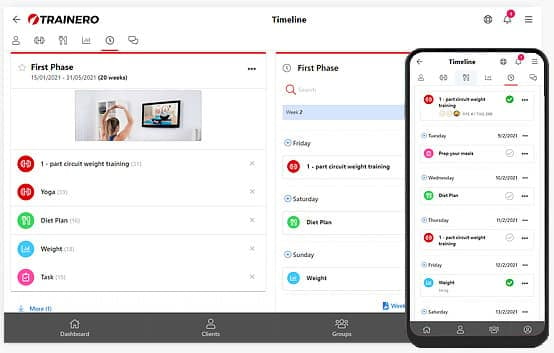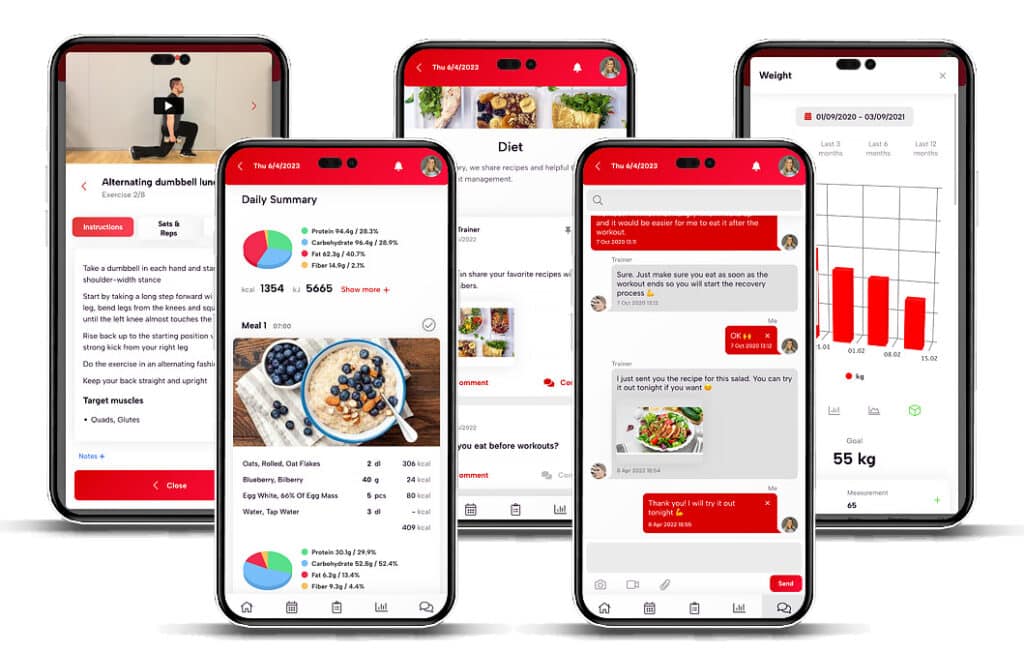

Create effective online coaching programs by defining clear objectives and structuring your content strategically. Use a phased approach, leveraging automation and diverse content formats. Schedule regular coaching calls, record them for client review, and foster a strong community. Prioritize client engagement, collect feedback, and refine your program consistently.
Defining Your Coaching Program: Get Specific
You’re ready to launch an online coaching program, but vague ideas won’t cut it. We need laser focus. This isn’t some hobby; this is a business, and your success hinges on strategic planning.
Let’s define your program with precision. Time is money, and the longer you delay, the more potential clients slip away.
Crystal-Clear Objectives and Outcomes
Before you write a single line of course material, you must define your objectives and outcomes. What exactly do you want your clients to achieve? Don’t settle for fluffy goals like “improve their lives.” Dig deeper.
- Example: Instead of “improve fitness,” aim for “clients will lose 10 pounds and increase their running endurance by 20% in 12 weeks.” Measurable, trackable, achievable.
- Alignment is key: These objectives must align perfectly with both your clients’ needs (what are their specific goals?) and your overall organizational objectives (how does this program drive profits and growth?).
This isn’t just about client success; it’s about showcasing your expertise and demonstrating the demonstrable value of your coaching program.
Structure: Self-Paced or Interactive? The Right Choice Matters
Choosing the wrong delivery method can sink your program. A self-paced course offers flexibility but lacks the engagement of an interactive program. An interactive program builds community but demands more time and resources from you.
- Consider your ideal client: Are they busy professionals who need flexibility, or do they thrive in a collaborative environment?
- Consider your program goals: Does the program require real-time feedback and interaction, or can it effectively deliver value asynchronously?
- Example: A self-paced course on “Mastering LinkedIn for Business” might work well, while a program on “Effective Public Speaking” would benefit from live workshops and Q&A sessions.
Analyze your target audience and choose wisely; this decision directly impacts engagement and results.
Client Capacity: Don’t Spread Yourself Too Thin
Many new coaches make the mistake of taking on too many clients. This leads to burnout, poor quality coaching, and ultimately, unhappy clients.
- Find your sweet spot: 40 clients is often cited as a manageable number, allowing for quality interaction and personalized feedback without sacrificing your own well-being. But this is a guideline, not a rule. Consider your own capacity and available resources.
- Prioritize quality over quantity: Remember, one highly satisfied client is worth more than ten disgruntled ones.
Maintaining high standards protects your reputation and ensures sustainability.
Phased Release: Don’t Overwhelm Your Clients
Dumping a massive amount of information on your clients at once is a recipe for failure. A phased release helps manage information overload and facilitates better understanding and retention.
- Strategic chunking: Break your content into manageable modules, releasing new material at strategic intervals. This creates anticipation and allows clients to digest the information properly.
- Example: Instead of releasing all 12 weeks of a fitness program at once, release one week’s worth of content per week.
Onboarding: Setting the Stage for Success
A comprehensive onboarding process sets the tone for your entire coaching program. It’s your first impression, and it needs to be stellar.
- Clear expectations: Outline your program structure, communication protocols (how and when you’ll communicate), and your policies. Leave no room for ambiguity.
- Essential resources: Provide your clients with all the necessary tools and materials – templates, checklists, links, access to the course platform—everything they need to get started immediately.
- Supportive environment: Communicate your availability and explain how they can reach you with questions. Make them feel valued and supported.
Planning these details now will save you headaches later. Act now, before you lose precious time and potential clients. Your success depends on it.
Structuring Your Online Coaching Calls for Maximum Impact
Listen, you’re building an online coaching empire, not a hobby. That means structured coaching calls aren’t optional—they’re the bedrock of your success. And right now, you need to laser-focus on structuring these calls to attract the right clients and sustain a business you actually enjoy.
Forget about scheduling around client whims. You control the calendar. Offer a few preset timeslots that work for you. This immediately weeds out clients who aren’t serious about investing in themselves and their transformation.
Think of it as a pre-qualification process built into your scheduling. The ones who genuinely value your time will adjust to your availability, proving they’re committed to the program.
Ditch One-on-One: Embrace the Power of Group Coaching
One-on-one coaching is great for initial client onboarding and personalized attention, but scaling your business requires leveraging the power of the group. Group calls foster a sense of community, unlock shared learning experiences, and generate incredible energy and momentum.
The key is to maintain a structured format, even within a group setting. Think interactive breakout sessions fueled by clear agendas and focused discussions.
Properly structured group coaching not only scales your reach, but intensifies the transformational power of your program.
- Increased Reach: You’ll service more clients without overextending your weekly schedule.
- Enhanced Client Engagement: The communal aspect increases client involvement and learning.
- Cost-Effective Scaling: Deliver more value with less investment of your personal time while maintaining a premium experience.
The Power of a Purpose-Driven Agenda
Every call, whether individual or group, needs a rock-solid agenda. This isn’t just about sticking to a topic list; it’s about strategic time allocation.
Each agenda item should have a designated time slot, ensuring you stay on track and cover all crucial points. Let’s say you’re focusing on goal-setting, for example. Block out 15 minutes for reviewing progress, 20 minutes for setting new goals, and 10 minutes for identifying potential roadblocks.
This precision keeps the call focused, efficient, and highly effective.
Balancing Support and Accountability: The Secret Sauce
Don’t just cheerlead; hold your clients accountable. This means a strategic balance of support and constructive feedback. Offer encouragement, sure, but also push them beyond their comfort zones.
Call out areas needing improvement, provide practical solutions. The right level of accountability fuels motivation and long-term transformation.
- Motivation: A well-balanced approach inspires clients to tackle challenges.
- Progress: Clear, constructive feedback pinpoints areas for growth and improvement.
- Results: Drive faster results by highlighting key areas for focus and development.
💡 Automation is key! Make sure to automate everything you can—like client check-ins. It’s a game-changer for your business!
Building Your Coaching Community: It’s Not About Having One, It’s About Creating One
Look, you know the stats. Clients who feel connected, who feel part of something bigger than individual sessions, stick around longer. They refer more business. They achieve better results.
But a coaching community isn’t something you magically acquire; it’s meticulously crafted. And the window to build a thriving one is now.
You need a strategy. Not some vague hope that people will magically coalesce.
We’re talking actionable steps, creating a sense of belonging that transcends simple transactions. This isn’t about adding another to-do list item; it’s about fundamentally shifting how your clients experience your coaching.
Think of it as building a tribe, a loyal following, a support network that actively drives their success.
The Foundation: Shared Values and Clear Expectations
This isn’t a social club; it’s a results-oriented community. You need shared goals, a defined purpose—beyond just ‘getting better’. What’s the unifying theme? What concrete benefits will members gain from the community aspect? Transparency is key. Lay out the rules of engagement, the expectations of participation. This isn’t about arbitrary rules; it’s about creating order so people can focus on growth.
- Clearly Defined Goals: What overarching objective will unite your community? (e.g., achieving a specific certification, launching a business in six months, mastering public speaking).
- Participation Guidelines: Outline what constitutes constructive engagement. Think about frequency of interaction, expected levels of support between members (e.g., peer accountability groups).
- Community Values: What principles will guide interactions within the community? (e.g., respect, honesty, open communication, mutual support).
Cultivating Connection Through Actionable Strategies
Forget generic Facebook groups. That’s noise, not connection. We’re talking strategic touchpoints that foster genuine relationships – things that make your clients feel valued.
This could involve a dedicated Slack channel organized by skill level, monthly group coaching calls focused on specific challenges, or even an in-person retreat.
- Regular Group Coaching Calls: Schedule frequent sessions to address shared concerns, providing real-time coaching and support.
- Private Online Forum: Consider using a platform like Mighty Networks or Circle to build a dedicated online space for interaction and resource sharing.
- Exclusive Content: Deliver bonus material exclusively to community members – interviews with experts, downloadable worksheets, templates, and access to early webinars. The sense of exclusivity fosters value and strengthens the bond.
Strategies to Maintain Momentum and Engagement
A coaching community isn’t a set-it-and-forget-it kind of thing. It’s a dynamic entity that requires ongoing nurturing and strategic evolution. Don’t just ‘host’; actively participate. You’re the keystone, weaving the threads of connection, providing guidance and support.
Continuous improvement is critical. Regularly ask for feedback. What’s working? What needs improvement? This isn’t just about building a community; it’s about building your coaching business.
And right now is the opportune time to solidify your community’s foundation for explosive growth.
- Regular Feedback Mechanisms: Collect input from members through surveys, polls, or Q&A sessions. Adapt your strategies based upon the feedback you receive.
- Gamification and Rewards: Incorporate elements of friendly competition and recognition to boost engagement. Think about utilizing leaderboards, badges, and personalized feedback.
- Member Spotlights: Feature success stories of community members to inspire and engage others.
Don’t wait until you have hundreds of clients to build this. Start now. Even a small, tightly-knit community can be incredibly powerful.
The key is to be intentional, to continuously nurture it, and to constantly find ways to enhance the value you provide. Your clients’ success is inextricably bound to the strength of the community they’re a part of. Therefore, start building today.
Online Coaching Programs: Content Delivery Strategies
Let’s talk content delivery – because getting this right is the difference between a program that transforms lives and one that gathers dust on a hard drive. You’re building an online coaching program, right?
You want results. And results come from a meticulously planned content rollout. Forget the “dump-and-go” approach; that’s a recipe for client churn and wasted potential.
Instead, picture this: a carefully orchestrated symphony of learning, where each note (piece of content) builds upon the last, creating a harmonious whole. That’s what we’re going to craft.
💡 With Trainero, you can set up your own online store—for free—making it easy to sell digital products and online training programs!
Phased Release: Just-in-Time Learning
This isn’t about cramming everything into week one and hoping for the best. We’re implementing a phased release, a “just-in-time” learning approach. This prevents overwhelm.
Think of it like this: you wouldn’t give a beginner climber the hardest route on their first day; you’d start with the basics.
- Phase 1: Foundation: Start with the essentials, building a solid base. This is where they learn the core concepts—the “why” behind what they’re learning.
- Phase 2: Application: Now, we move into practice. Give them actionable steps, exercises, and opportunities to apply what they’ve learned. Think small wins here, to build momentum and confidence.
- Phase 3: Mastery: Finally, we tackle advanced strategies and techniques. They’re ready for the challenge, built on a foundation of success.
This phased approach keeps clients engaged, motivated, and ultimately more likely to complete your program.
Building Blocks: Foundational Knowledge First
The secret here is to master the art of sequencing. Develop a curriculum that progresses logically. Don’t jump into advanced concepts before laying a firm groundwork. It’s like trying to build a house without a foundation—it’s unstable and doomed to fail.
- Example: If you’re teaching social media marketing, start with profile optimization and basic posting strategies before diving into advanced analytics or paid advertising.
Strategic Pacing: Gradual Skill Development
Rushing the process is a mistake. We need to pace the content delivery strategically. Each module should represent a manageable chunk of information, fostering a sustainable learning curve.
- Example: Instead of releasing all your videos at once, drip-feed them weekly or bi-weekly. This allows for digestible learning and provides spaced repetition to improve retention. Give them achievable goals to work toward. And celebrate their achievements – make your clients feel that momentum from each win.
Recorded Sessions: Flexibility and Accessibility
Live sessions are great, but recorded sessions are where the magic happens. They’re crucial for accessibility and flexibility. This means the content works for your client, not the other way around.
- This also allows for review and reiteration. Your clients can revisit lessons and reinforce learning, as many times as they need.
Media Variety: Catering to Learning Styles
Finally, diversify your content. Don’t limit yourself to just one format. Use ebooks for in-depth information, videos for demonstrations and engaging narratives, podcasts for quick lessons on the go, quizzes and interactive exercises to reinforce concepts.
The more you diversify, the more likely you’re to resonate with diverse learning styles and preferences. This means higher engagement for everyone, driving better retention and more value for your program. Remember, you’re building a sustainable business here; keeping your clients engaged matters.
Time Management & Energy: The Unsung Heroes of Your Online Coaching Empire
Let’s be honest: burning out is not an option. You’re building a sustainable business, not a sprint. That means mastering time and energy management isn’t just a “nice-to-have”—it’s the bedrock of your success.
Ignoring it guarantees burnout, leaving you scrambling for clients and struggling to deliver the high-quality coaching you’re known for.
We’re talking about generating consistent income without sacrificing your well-being. The key? Strategic planning and relentless optimization.
Leveraging Technology for Energy Efficiency
Think asynchronous communication. Recorded sessions are your secret weapon. Imagine this: a client can access your pre-recorded coaching modules at their convenience, saving both of you scheduling headaches. You create the content once and it works for multiple clients, multiplying your ROI without doubling your workload. This isn’t laziness; it’s efficiency.
- Example: Create a series of 10-minute videos covering common client questions or challenges.
- Example: Offer downloadable worksheets or checklists to supplement your recorded sessions. This reduces the time you spend explaining fundamental concepts in every session.
Strategic Scheduling: The Time Zone Tango
Time zones can be your best friend or your worst enemy. Proper scheduling requires more than just looking at a calendar. You need a system. Consider:
- Batching similar tasks: Group client check-ins or other activities to minimize context switching.
- Time Blocking: allocate specific times for specific tasks; this is crucial for high-focus work and reduces decision fatigue.
- Client Load: Remember, that sweet spot for impactful coaching, preventing burnout, is around 40 clients. Exceeding that will slowly drain your energy, diminishing the quality of your coaching.
Structured Workdays: The Productivity Powerhouse
Forget the myth of the “always-on” entrepreneur. A structured workday is paramount. Aim for dedicated, focused days. Consider implementing four focused check-in days a week. This allows you to truly engage with clients without feeling scattered.
Plan the other days for content creation, marketing, or self-care.
- Example: Mondays and Tuesdays: Client check-ins.
- Example: Wednesdays and Thursdays: Content creation and marketing.
- Example: Fridays: Admin, planning, and self-care.
The Power of Self-Care: Fueling the Coaching Fire
This isn’t about bubble baths (though those are nice). This is about recognizing self-care as a <em