
Great coaching skills don’t automatically translate into a full client schedule. The personal trainers with consistently booked calendars have something beyond fitness expertise — they have a marketing system that works for them even when they’re busy training clients.
Marketing for personal trainers doesn’t need to be complicated or expensive. But it does need to be intentional and consistent. This guide covers every marketing channel that matters for fitness professionals in 2026, with practical steps you can implement this week.
The Personal Trainer Marketing Funnel
Before diving into tactics, understand how people become your clients. It’s rarely a straight line — most people need multiple touchpoints before they commit.
The typical journey:
- Awareness: They discover you exist (social media, Google search, referral, local event)
- Interest: They consume your content and form an impression (blog posts, videos, social proof)
- Consideration: They compare options and evaluate your credibility (reviews, testimonials, website)
- Decision: They book a consultation or trial session (booking page, DM, phone call)
- Retention: They stay as a long-term client (results, experience, relationship)
Effective marketing addresses every stage — not just the “get attention” part.

Digital Marketing Strategies
Build a Professional Website
Your website is the hub of all your marketing efforts. Every social post, Google search result, and referral should eventually lead back here.
Must-have pages:
- Home page: Clear value proposition, primary call to action (book a consultation), social proof
- About page: Your story, qualifications, training philosophy — make it personal
- Services page: What you offer, who it’s for, and starting prices
- Testimonials/Results page: Client stories with before/after photos and quotes
- Blog: SEO-optimised content that attracts organic search traffic
- Contact/Book page: Online scheduling integration — make booking frictionless
Technical basics:
- Mobile-responsive design (65%+ of your visitors are on phones)
- Fast loading speed (under 3 seconds)
- SSL certificate (https://)
- Google Analytics installed for tracking
Search Engine Optimisation (SEO)
SEO is the long game that pays dividends for years. When someone searches “personal trainer in [your city],” you want to appear on the first page.
Local SEO essentials:
- Claim and optimise your Google Business Profile (this is the most important step)
- Include your city/area name on your website’s title tags, headings, and content
- Get listed in local directories (Yelp, local fitness directories, Chamber of Commerce)
- Earn backlinks from local businesses and partners
- Create location-specific content on your blog
Content SEO:
- Write blog posts targeting questions your ideal clients are searching
- Use keyword research tools to find low-competition opportunities
- Create comprehensive, valuable content that answers the searcher’s question completely
- Internal link between your blog posts and service pages

Email Marketing
Email has the highest ROI of any digital marketing channel. For personal trainers, it’s the tool that converts interested followers into paying clients.
Getting started:
- Create a lead magnet: a free workout plan, nutrition cheat sheet, or mobility guide
- Add an email signup form to your website (offer the lead magnet in exchange)
- Set up an automated welcome sequence (3–5 emails over two weeks)
- Send a weekly newsletter with training tips, client stories, and a soft CTA
Welcome sequence structure:
- Email 1 (Immediately): Deliver the lead magnet + introduce yourself
- Email 2 (Day 2): Share your training philosophy and what makes you different
- Email 3 (Day 5): Client success story with specific results
- Email 4 (Day 8): Address common objections (cost, time, intimidation)
- Email 5 (Day 12): Direct offer — book a free consultation with a specific CTA
Social Media Marketing
Instagram Strategy
Instagram remains the primary social platform for personal trainers. It’s visual, engagement-friendly, and where your potential clients spend their time.
Content mix (per week):
- 2–3 Reels: Exercise tutorials, myth-busting, training tips (reach new audiences)
- 1–2 Carousel posts: Educational content, workout plans, nutrition tips (save and share)
- 2–3 Stories: Behind-the-scenes, polls, Q&A, day-in-the-life (build relationship)
- 1 Client spotlight: Transformation or testimonial (social proof)
Instagram best practices:
- Use location tags on every post
- Include 3–5 relevant hashtags (mix of broad and local)
- Respond to every comment and DM within 24 hours
- Engage with local businesses and potential clients’ accounts daily
- Put your booking link in your bio
YouTube Strategy
YouTube is the second largest search engine. Long-form video content builds deep trust and positions you as an authority.
Video ideas that drive client enquiries:
- Full workout follow-alongs for your target audience
- “Day in the Life of a Personal Trainer” vlogs
- Client transformation documentaries
- Exercise deep-dives (proper form, progressions, common mistakes)
- Fitness myth debunking
You don’t need expensive equipment. A smartphone, natural lighting, and clear audio are enough to start. Consistency (one video per week) matters more than production quality.
LinkedIn Strategy (For Corporate Clients)
If your target market includes corporate wellness or professional clients, LinkedIn is an untapped goldmine.
- Share content about desk posture, workplace wellness, and stress management
- Connect with HR managers and wellness coordinators
- Offer free “Lunch and Learn” sessions to local companies
- Publish articles about the ROI of employee fitness programmes

Local Marketing Strategies
Community Events
Getting in front of people in person builds trust faster than any digital channel.
- Free outdoor bootcamps: Monthly Saturday morning sessions in a local park
- Charity fitness events: Sponsor or organise a charity workout — great PR and community goodwill
- Workshop series: “Intro to Strength Training” at community centres, libraries, or co-working spaces
- Fitness challenges: Partner with a local business for a 4-week challenge
Strategic Partnerships
Cross-referral partnerships with complementary professionals create a reliable stream of warm leads.
Best partnership opportunities:
- Physiotherapists and chiropractors (post-rehab clients)
- Nutritionists and dietitians (shared holistic approach)
- Massage therapists and wellness practitioners
- Local sports shops and activewear stores
- Corporate offices and co-working spaces
Start by offering value: provide a free workshop for their clients or create a co-branded educational resource.
Referral Programmes
Word of mouth is the most trusted form of marketing. A structured referral programme turns this from hope into strategy.
- Offer both the referrer and the new client a reward (free session, discount, gift)
- Make referring easy with a shareable link or card
- Ask for referrals at natural moments: after a client achieves a goal or gives positive feedback
- Track referral sources to know which clients are your best advocates
Content Marketing for Personal Trainers
Content marketing is the long-term strategy that builds authority, drives organic traffic, and generates leads while you sleep.
The content marketing cycle:
- Create: Write a blog post targeting a keyword your ideal clients search
- Repurpose: Turn the blog post into social media posts, an email, and a video
- Distribute: Share across all your channels
- Convert: Include CTAs that lead to your booking page or email list
- Repeat: Publish consistently (aim for 2–4 blog posts per month)
Blog post ideas that attract clients:
- “How to Choose a Personal Trainer in [Your City]”
- “5 Signs You Need a Personal Trainer (Not Just a Workout App)”
- “What to Expect in Your First Personal Training Session”
- “How Much Does a Personal Trainer Cost? [Year] Pricing Guide”
- “[Client Name]’s Story: How She Lost 20kg in 6 Months”
Paid Advertising
Paid ads should complement your organic marketing, not replace it. Start only after your organic foundation is solid.
Google Ads
Target high-intent keywords like “personal trainer [city]” and “personal training near me.” These searchers are ready to buy.
- Start with a small budget ($10–20/day)
- Send traffic to a dedicated landing page, not your home page
- Include a clear offer (free consultation, trial session)
- Track conversions to know your cost per client
Social Media Ads
Facebook and Instagram ads are best for retargeting (showing ads to people who’ve already visited your website) and for promoting specific offers.
- Use video ads — they consistently outperform static images
- Target by location, age, interests, and behaviours
- Retarget website visitors and social media engagers
- Promote challenges, free workshops, or introductory offers

Measuring Marketing Success
If you’re not tracking, you’re guessing. Here are the key metrics every personal trainer should monitor:
- Client acquisition cost (CAC): Total marketing spend ÷ number of new clients
- Enquiry-to-client conversion rate: Percentage of enquiries that become paying clients
- Client lifetime value (LTV): Average revenue per client over their entire relationship
- Retention rate: Percentage of clients who stay month to month
- Referral rate: Percentage of new clients who come through referrals
- Website traffic and sources: Where your visitors come from and what they do
Review these numbers monthly. Double down on what’s working and adjust or drop what isn’t.
Building Your Marketing System
The trainers with the most consistent client flow don’t do more marketing — they have better systems.
Weekly marketing schedule (2 hours total):
- Monday (30 min): Create and schedule 3–5 social media posts for the week
- Wednesday (30 min): Write an email or blog post draft
- Friday (30 min): Engage with local community online, ask for a review or referral
- Sunday (30 min): Review metrics and plan next week
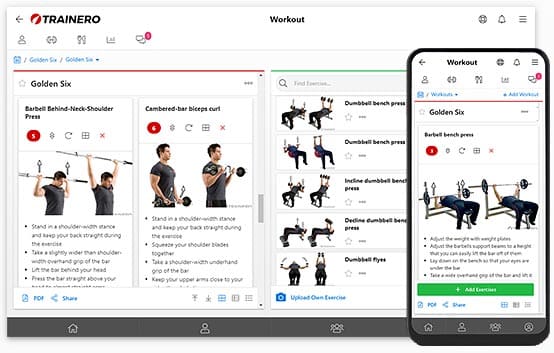
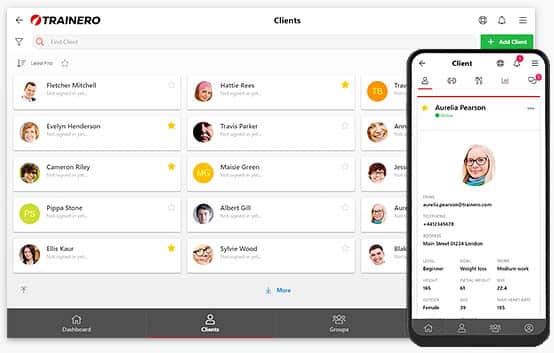
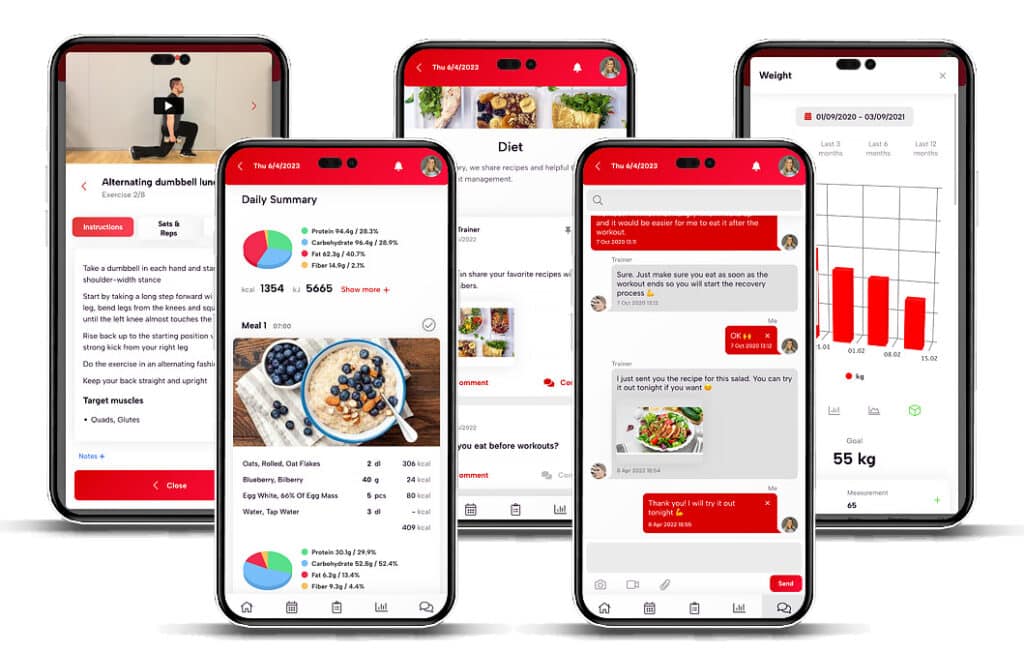
Use a professional platform like Trainero to handle client management, programme delivery, and communication — so you can focus your limited marketing time on activities that actually grow your business.
Start With Three
Don’t try to do everything at once. Choose three marketing strategies from this guide, execute them consistently for 90 days, and measure the results. Then add or adjust based on what’s working.
Marketing isn’t a one-time project — it’s an ongoing system. The personal trainers who never worry about filling their schedules are the ones who show up consistently, provide genuine value, and make it easy for people to say yes.
Ready to deliver a client experience that markets itself? When your clients love training with you, referrals happen naturally. Try Trainero free and create a coaching experience your clients will want to tell their friends about.

Unlock your fitness potential with Trainero! Get a 14-day free trial and access personalized workout plans, expert coaching, and progress tracking—all in one app. No commitments, just results. Start your free trial today and take your fitness journey to the next level!