Every personal trainer has certifications. Most have decent knowledge of exercise science. Many offer similar services at comparable prices.
So why do some trainers build thriving businesses while others struggle to fill their schedules?
The difference often comes down to one factor: a compelling personal story that resonates with ideal clients.
The Power of Relatable Experience
When potential clients search for a personal trainer, they’re not just looking for qualifications. They’re seeking someone who understands their specific situation.
Consider these scenarios.
A 45-year-old executive who gained weight during years of desk work and business travel doesn’t want a trainer who has been fit their entire life. They want someone who understands the challenge of prioritising health while managing demanding responsibilities.
A former athlete struggling with identity after competitive years end naturally gravitates toward coaches who’ve navigated that transition themselves.
A new mother looking to rebuild strength and confidence connects more deeply with trainers who understand postpartum realities than with those who’ve never experienced them.
This isn’t about excluding clients outside your background. It’s about creating magnetic attraction with those who see themselves in your story.

Identifying Your Coaching Origin Story
Your path to personal training likely falls into one of several categories. Understanding which one shapes your most authentic marketing message.
The Transformation Journey
Perhaps you lost significant weight, overcame health challenges, or rebuilt yourself after injury. This lived experience creates immediate credibility. You’ve walked the path your clients are starting. You understand the mental battles, the setbacks, and the small victories that don’t show on the scale.
The Athletic Background
Competitive sports taught you discipline, periodisation, and performance mindset. Whether team sports, endurance events, or strength disciplines, your athletic experience shapes how you approach training. Former athletes often excel with clients seeking structure and accountability.
The Specialty Foundation
Deep expertise in a specific area distinguishes you immediately. Former dancers understand mobility and body awareness. Martial artists grasp functional movement patterns. Rehabilitation professionals bring injury prevention knowledge. This specialist positioning attracts clients with corresponding needs.
The Career Transition
Many excellent trainers came from entirely different professions. Former teachers explain complex concepts clearly. Healthcare workers communicate with empathy and precision. Business professionals bring systematic thinking to program design. Your previous career developed skills that transfer directly to coaching.
Turning Your Story Into Client Attraction
Identifying your background is step one. Communicating it effectively drives actual business results.
Be specific about who you serve best.
Generic appeals to “anyone wanting to get fit” resonate with nobody. Compare these positioning statements:
Weak: “I help people reach their fitness goals.”
Strong: “I help busy professionals over 40 rebuild the health habits that slipped away during career-focused years.”
The second statement immediately identifies ideal clients and signals shared understanding.
Share your journey authentically.
Your marketing content should reflect genuine experience, not manufactured relatability. Clients detect inauthenticity quickly. If your transformation involved struggling with emotional eating, say so. If your athletic career ended with injury and identity crisis, share that reality.
Vulnerability builds connection. Perfection creates distance.
Align content with your origin story.
A trainer who overcame obesity shares different content than one with an athletic background. Your social media posts, blog articles, and client communications should consistently reflect your authentic perspective.
The transformation coach might share meal prep strategies and mindset techniques for overcoming cravings. The former athlete might focus on performance metrics and training periodisation. Both approaches work, but mixing them randomly dilutes your message.

From Story to Action: The Non-Negotiable Truth
Here’s where many trainers stall. They understand the importance of their story. They can articulate their ideal client. They know what content to create.
Then they wait. For the perfect website. For more followers. For confidence to arrive.
It never does.
Whatever your background or qualifications, results come only through consistent action. This principle applies equally to training clients and building your business.
You wouldn’t tell a client to study progressive overload for six months before touching a barbell. Yet trainers routinely delay marketing efforts while “preparing” indefinitely.
The parallels between training and business building run deep.
Progressive overload applies to marketing. Start with manageable efforts. One piece of content weekly. A few direct outreach messages daily. Increase gradually as your capacity grows.
Consistency beats intensity. Three modest marketing actions weekly for a year outperform one massive campaign followed by silence. Sustainable effort creates sustainable results.
Tracking drives improvement. You measure client progress through assessments. Apply identical rigor to business metrics: lead sources, inquiry conversion rates, client retention, and revenue trends.
Recovery prevents burnout. Sustainable growth requires strategic rest. Exhausted trainers serve nobody well.
Practical Implementation Steps
Understanding matters. Action creates results. Here’s how to move forward this week.
Document your origin story.
Write 500 words explaining your path to personal training. Focus on the transformation, challenge, or insight that shaped your coaching philosophy. This becomes source material for all marketing content.
Define your ideal client with precision.
Based on your background, describe one specific person you serve best. Give them a name, age, occupation, and primary struggle. Every piece of content should speak directly to this person.
Create your positioning statement.
Complete this sentence: “I help [specific person] achieve [specific outcome] through [your unique approach].”
Publish something this week.
One social media post sharing an element of your story. One blog article addressing your ideal client’s primary concern. One direct message to a potential referral partner. Imperfect action beats perfect planning.
Schedule next week’s actions before this week ends.
Momentum requires advance commitment. Block specific times for content creation and outreach. Treat these appointments as seriously as client sessions.
Your Story Is Waiting
The fitness industry doesn’t need more generic personal trainers offering identical services at similar prices. It needs coaches who understand their unique value and communicate it clearly to those who need it most.
Your background provides the foundation. Your consistent action builds the business. Your authentic connection with aligned clients creates lasting success.
Stop waiting for conditions to improve. They won’t. Start with the story you already have, the knowledge you’ve already gained, and the clients you can already serve.
The trainer who takes imperfect action today outperforms the one still planning tomorrow.

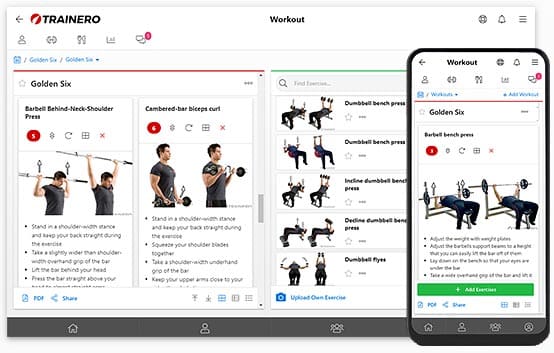
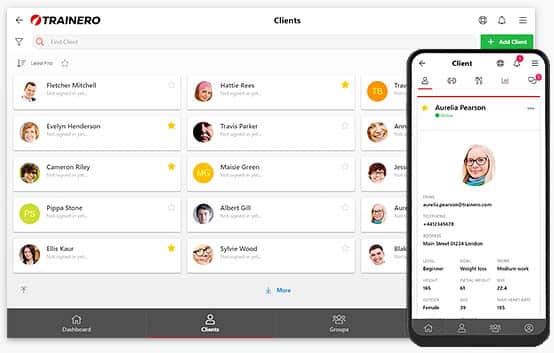
Unlock your fitness potential with Trainero! Get a 14-day free trial and access personalized workout plans, expert coaching, and progress tracking—all in one app. No commitments, just results. Start your free trial today and take your fitness journey to the next level!