
Dumbbell Workout Plan
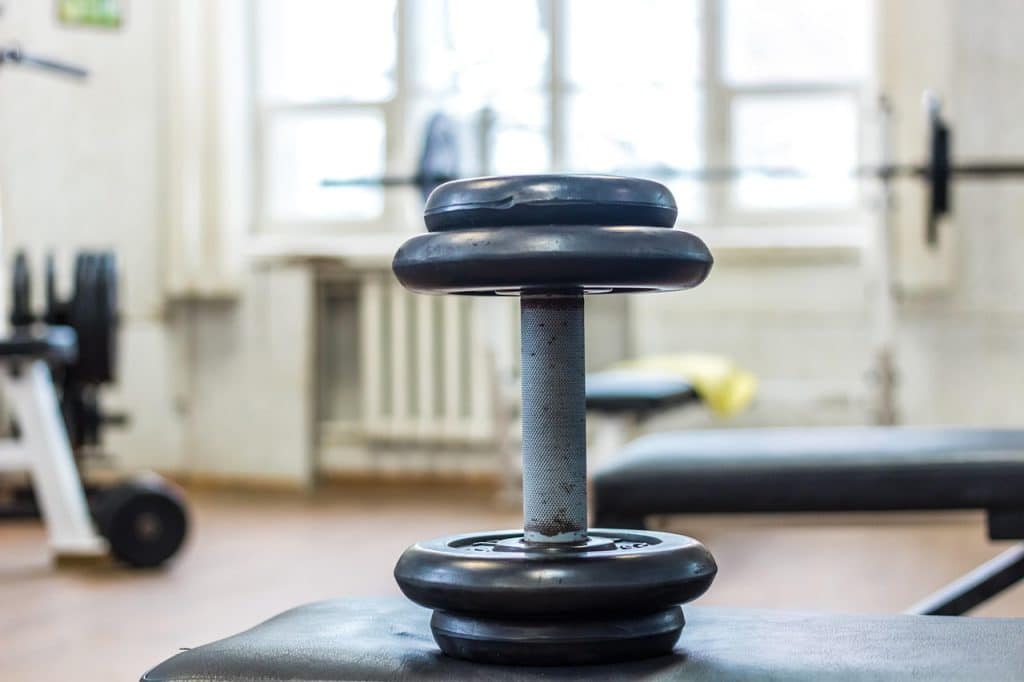
You don’t need a fully stocked gym to build real strength. A pair of dumbbells and a clear plan is all it takes. This dumbbell workout plan gives you a structured 3–4 day full-body programme you can run at home, in a hotel room, or anywhere else a barbell won’t follow you.
If you already have a home workout plan but feel it lacks structure or progressive challenge, this guide fills that gap with specific exercises, set and rep targets, and built-in progression rules.
Who This Plan Is For
This plan suits anyone who:
- Trains at home and owns one or two pairs of dumbbells (adjustable dumbbells work perfectly)
- Travels frequently and needs a portable routine that doesn’t depend on gym access
- Is transitioning from bodyweight-only work and wants to add resistance load
- Prefers full-body sessions over body-part splits requiring multiple equipment stations
It is appropriate for beginners who have a handle on basic movement patterns and for intermediate lifters maintaining strength while away from a commercial gym.
How the Plan Works
The programme uses a full-body approach spread across three or four sessions per week. Each session hits every major muscle group — legs, push (chest, shoulders, triceps), and pull (back, biceps) — through compound and accessory dumbbell movements.
Training four days per week adds extra volume and uses an upper/lower split to allow more work per session. Training three days is sufficient to drive progress and allows more recovery time. Choose based on your schedule and how quickly you recover between sessions.
Because dumbbells allow unilateral (single-limb) training, this plan includes single-arm and single-leg exercises to correct left-right imbalances — something barbells and machines often mask. These movements are not optional extras; they are a key reason dumbbell training produces well-rounded results.
The 3–4 Day Dumbbell Workout Plan
Option A: 3-Day Full Body (e.g. Monday / Wednesday / Friday)
| Exercise | Sets × Reps | Notes |
|---|---|---|
| Dumbbell Goblet Squat | 4 × 10 | Hold one dumbbell at chest height; keep chest tall |
| Dumbbell Romanian Deadlift | 3 × 10 | Hip hinge, back flat, lower until mild hamstring stretch |
| Dumbbell Floor Press | 4 × 10 | Replaces bench press; elbows at 45° from torso |
| Single-Arm Dumbbell Row | 4 × 10 each side | Brace core; pull elbow toward hip, not shoulder |
| Dumbbell Overhead Press | 3 × 10 | Seated or standing; press directly overhead |
| Dumbbell Bicep Curl | 3 × 12 | Alternate arms; full range of motion |
| Dumbbell Tricep Kickback | 3 × 12 each side | Upper arm parallel to floor; extend fully |
| Dumbbell Lateral Raise | 3 × 15 | Light weight; raise to shoulder height only |
| Plank | 3 × 30–45 sec | Neutral spine; brace as if bracing for a punch |
Option B: 4-Day Upper/Lower Split (e.g. Mon / Tue / Thu / Fri)
Days 1 & 3 — Upper Body
| Exercise | Sets × Reps | Notes |
|---|---|---|
| Dumbbell Floor Press | 4 × 10 | 3-second descent; pause briefly at bottom |
| Dumbbell Renegade Row | 3 × 8 each side | Plank position; challenges core stability significantly |
| Dumbbell Arnold Press | 3 × 10 | Rotate palms outward as you press; full shoulder range |
| Dumbbell Incline Curl | 3 × 12 | Lie back on sofa arm; stretches bicep at bottom of rep |
| Dumbbell Skull Crushers (Floor) | 3 × 12 | Elbows pointing at ceiling; slow eccentric |
| Dumbbell Lateral Raise | 3 × 15 | Controlled tempo; avoid swinging the torso |
| Dumbbell Bent-Over Rear Delt Fly | 3 × 15 | Hinge forward; raise arms to side at shoulder height |
Days 2 & 4 — Lower Body & Core
| Exercise | Sets × Reps | Notes |
|---|---|---|
| Dumbbell Bulgarian Split Squat | 4 × 8 each side | Rear foot on chair; front knee tracks over toes |
| Dumbbell Sumo Squat | 3 × 12 | Wide stance, toes out; hold one dumbbell vertically |
| Single-Leg Dumbbell Romanian Deadlift | 3 × 8 each side | Balance and posterior chain focus; hinge slowly |
| Dumbbell Hip Thrust | 4 × 12 | Shoulders on sofa; dumbbell across hips; squeeze glutes at top |
| Dumbbell Calf Raise | 3 × 15 | Single-leg for extra challenge; full range of motion |
| Dumbbell Russian Twist | 3 × 20 total | Hold one dumbbell; rotate slowly through full range |
| Dumbbell Farmer’s Carry | 3 × 20 metres | Heavy load; tall posture; walk a set distance and back |
Progression Rules
Dumbbells have fixed increments, which makes progression feel different from barbell training. Use these strategies to keep moving forward:
- Rep-range progression: Aim for the bottom of the rep range (e.g. 10). Once you can hit the top (e.g. 12) with good form across all sets, increase the dumbbell weight at your next session.
- Tempo manipulation: If no heavier dumbbell is available, slow the eccentric (lowering) phase to 3–4 seconds. This increases time under tension without requiring more load.
- Add a set: Before jumping to a heavier dumbbell, add a fourth set to existing exercises to build work capacity first — this makes the weight jump feel manageable when you do make it.
- Rest periods: Keep rest to 60–90 seconds for hypertrophy-focused exercises and up to 2 minutes for heavier compound movements like split squats or rows.
This approach mirrors how any well-designed full-body workout plan should handle progressive overload — small, consistent jumps beat sporadic heavy attempts every time.
Equipment and Setup Tips
- Adjustable dumbbells (such as PowerBlock or Bowflex SelectTech) give you the widest load range in the smallest footprint. If your budget is limited, start with two fixed pairs: one lighter (5–10 kg) for isolation and shoulder work, and one heavier (12–20 kg) for rows, presses, and squats.
- A sturdy chair or low coffee table replaces a bench for floor presses, split squats, and hip thrusts in the home environment.
- A non-slip exercise mat protects floors and adds stability for floor-based movements like floor press and skull crushers.
- You need roughly a 2 × 2 metre clear space — most hotel rooms and living rooms meet this requirement without rearranging furniture.
Common Mistakes to Avoid
- Using the same weight for every exercise. Your back can row far more than your lateral delts can raise. Adjust load per exercise, not just per session. Keep multiple dumbbell weights accessible if possible.
- Rushing through repetitions. Without a heavy barbell forcing you to brace, dumbbell training lets sloppy technique develop. Slow, deliberate reps build more muscle and reduce injury risk — especially on single-limb exercises.
- Skipping unilateral work. Single-arm rows and split squats are harder to programme around, so many people quietly drop them. They are precisely the exercises that reveal and fix left-right imbalances. Keep them in.
- Never progressing the load. Home training drifts toward maintenance mode unless you actively track and push. Log your weights and reps session by session and increase incrementally.
- Switching programmes every few weeks. Adaptation takes six to eight weeks. Changing exercises before that resets the process. Stick to this plan long enough to see what it actually produces.
If you’re just starting out and some of these movements feel unfamiliar, review a beginner gym workout plan to understand the foundational patterns — goblet squat, hip hinge, push, pull — before adding dumbbell load to them.
Frequently Asked Questions
Can I build muscle with just dumbbells?
Yes. Dumbbells provide progressive resistance, which is the primary driver of muscle hypertrophy. Research consistently shows that free-weight dumbbell training produces comparable muscle growth to barbell or machine-based training when volume and effort are equated. The main practical limitation is load ceiling — once you outgrow the heaviest dumbbell you own, you need to apply tempo, volume, or unilateral variations to keep progressing.
How heavy should my dumbbells be?
For a full-body plan like this, most adults need at least two load ranges: a lighter pair (5–10 kg) for isolation exercises and shoulder work, and a heavier pair (12–22 kg) for compound movements such as rows, presses, squats, and deadlifts. Adjustable dumbbells solve this with one piece of equipment and are the most cost-effective long-term investment for home training.
Is three days per week enough to see results?
Yes. Three full-body sessions per week is sufficient for most people to make consistent strength and muscle gains — particularly beginners and intermediates. Research supports 2–4 training sessions per muscle group per week as the effective range for hypertrophy. Three full-body sessions hit each muscle group three times per week, which falls well within that window.
What if I only have one dumbbell?
You can still train effectively. Focus on unilateral movements — single-arm press, single-arm row, single-leg Romanian deadlift, goblet squat — and add tempo or pause variations to increase difficulty. Progress will be slower than with a full set, but the programme remains viable. Once you’re ready to invest further, a second matching dumbbell opens up bilateral exercises and significantly expands options.
How long should each session take?
Each session in this plan takes approximately 45–55 minutes including warm-up and cool-down. If you’re pressed for time, drop one isolation exercise (lateral raises or curls, for example) and complete all compound movements first. You’ll cover the essentials in 35–40 minutes and still generate a productive training stimulus.
Take It Further With a Trainer
Personal trainers can build and deliver this dumbbell workout plan — with custom loads, progression rules, and client feedback built in — using Trainero software.