
HYROX Training Plan: 8-Week Programme for Race Day
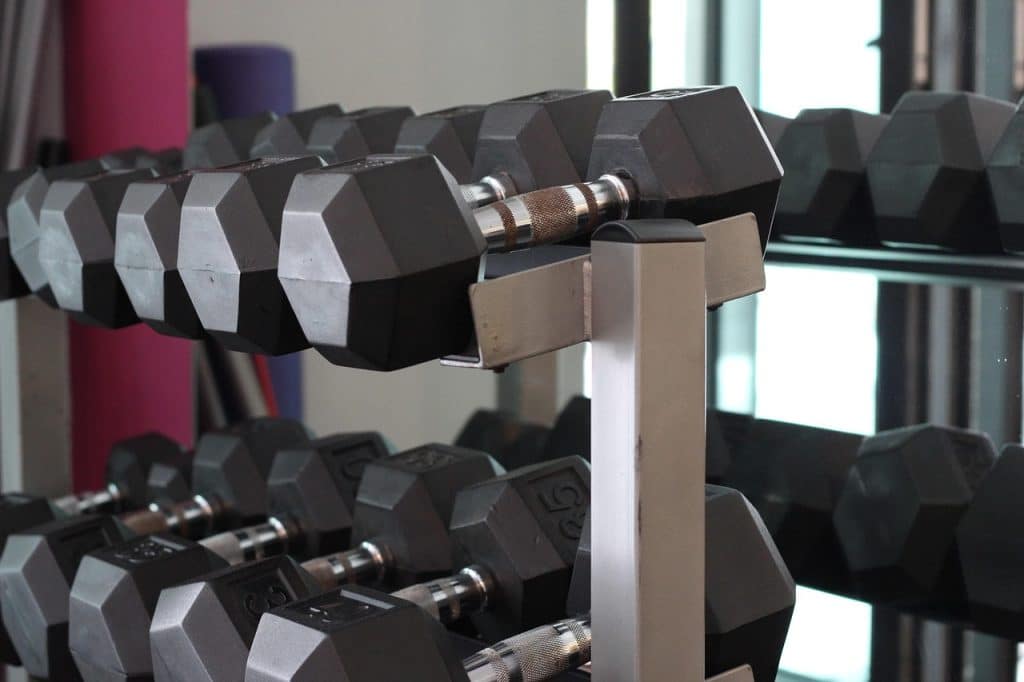
A HYROX training plan needs to prepare you for one thing: finishing eight 1-kilometre runs, each immediately followed by a functional fitness station, without falling apart on the last lap. That is harder than it sounds — and more rewarding than almost anything else you can do in a race bib.
This guide explains what HYROX is, who it is for, and gives you a structured 8-week plan to get to the start line fit, confident, and ready to push the sled.
What Is HYROX?
HYROX is a standardised fitness race held in arenas worldwide. Every athlete completes the same course:
- 8 × 1 km run on a marked indoor track (total: 8 km of running)
- 8 functional fitness stations, performed in fixed order between each run
The eight stations, always in this sequence, are:
- SkiErg — 1,000 m
- Sled Push — 50 m (loaded)
- Sled Pull — 50 m (loaded, with rope)
- Burpee Broad Jumps — 80 m
- Rowing — 1,000 m
- Farmers Carry — 200 m (one dumbbell each hand)
- Sandbag Lunges — 100 m
- Wall Balls — 100 reps
Loads vary by division (Open, Pro, and doubles). Open division for men uses a 20 kg sled push weight and a 32 kg wall-ball target height; women push a lighter sled and throw to a lower target. The appeal is that the format never changes — you can track your progress race to race and country to country.
Because HYROX mixes sustained aerobic running with repeated bouts of power-based work, your training must develop both. Aerobic base, lactate threshold, and functional strength all matter. For the running side, the demands are similar to a half-marathon training plan — you need to be comfortable sustaining pace for 8 km total, but with regular high-intensity interruptions rather than a continuous effort.
Who Is This Plan For?
This 8-week block is designed for athletes who:
- Can already run 5 km without stopping
- Have basic gym experience (squats, rowing, dumbbell work)
- Are targeting their first or second HYROX finish
- Can commit to four to five sessions per week
If you are newer to structured training, spend four weeks building a full body workout plan foundation first — particularly on squat depth, hip hinge mechanics, and aerobic capacity. HYROX punishes athletes who hit the sled with poor movement patterns.
The 8-Week HYROX Training Plan
The plan runs Monday through Sunday. Wednesday and Sunday are rest or active recovery days. Each week increases stimulus slightly before a brief taper in week 8. Station work ramps from drills (weeks 1–4) to race-simulation complexes (weeks 5–7).
| Week | Monday — Running | Tuesday — Strength | Thursday — Station Work | Friday — Tempo Run | Saturday — Long Run or Simulation |
|---|---|---|---|---|---|
| 1 | 4 × 1 km @ easy pace, 90 s rest | Squat 4×8, DB Row 4×10, Hip Thrust 3×12, Farmers Carry 4×40 m | SkiErg 3×500 m; Sled Push 4×25 m (50% load); Burpee Broad Jumps 3×20 m | 20 min easy continuous run | 5 km easy + Wall Balls 3×20 reps |
| 2 | 5 × 1 km @ easy-moderate pace, 90 s rest | Front Squat 4×6, Bent-Over Row 4×8, RDL 3×10, Farmers Carry 4×50 m | SkiErg 3×600 m; Sled Pull 4×25 m; Rowing 2×500 m | 25 min easy run | 6 km easy + Wall Balls 3×25 reps |
| 3 | 6 × 1 km @ moderate pace, 75 s rest | Back Squat 4×5, DB Row 4×10, Hip Thrust 4×10, Sandbag Lunges 3×20 m | Sled Push 5×30 m (60% load); Burpee Broad Jumps 3×30 m; Rowing 3×500 m | 30 min easy-moderate run | 7 km easy + Wall Balls 4×20 reps |
| 4 | 6 × 1 km @ moderate pace, 60 s rest | Front Squat 4×6, Deadlift 3×5, Farmers Carry 5×50 m, Weighted Step-Up 3×10 | Sled Pull 5×30 m; SkiErg 3×700 m; Sandbag Lunges 3×30 m | 35 min easy-moderate run | 8 km easy + Station circuit: Rows 500 m + Wall Balls 30 reps |
| 5 | 4 × 1 km @ race pace, 2 min rest | Back Squat 5×5 (heavier), DB Row 4×8, Hip Thrust 4×12, Farmers Carry 5×60 m | Mini sim: 1 km run → Sled Push 50 m → 1 km run → Sled Pull 50 m → 1 km run → Burpees 40 m | 30 min tempo run (comfortably hard) | 8 km easy + Wall Balls 4×25 reps |
| 6 | 5 × 1 km @ race pace, 90 s rest | Front Squat 4×5 (heavier), Deadlift 4×4, Bent-Over Row 4×8, Sandbag Lunges 4×30 m | Mini sim: 1 km run → SkiErg 1,000 m → 1 km run → Rowing 1,000 m → 1 km run → Farmers Carry 100 m | 35 min tempo run | 10 km easy run |
| 7 | 6 × 1 km @ race pace, 60 s rest | Back Squat 4×4 (near-max), DB Row 5×8, Hip Thrust 4×12, Farmers Carry 5×60 m | Full sim (half): 4 × (1 km run + one station from list); use race loads | 30 min tempo run | 8 km easy + Wall Balls 100 reps (race spec) |
| 8 (Taper) | 3 × 1 km @ race pace, full recovery | Squat 3×5 (60% max), Row 2×10, Farmers Carry 3×30 m — keep it short | Light station rehearsal: each station once at easy effort, half distances | 20 min easy jog | Race week: rest or 15 min walk |
How to Progress This Plan
The structure follows a simple linear model for the strength work and a step-load model for the running:
- Strength: Add 2.5–5 kg to lower-body lifts and 1.25–2.5 kg to upper-body lifts each week you complete all prescribed reps cleanly. Never sacrifice squat depth or hip hinge form to hit a weight target.
- Running pace: Weeks 1–4 are aerobic base — your easy pace should feel conversational. Weeks 5–7 introduce race-pace intervals. Use a GPS watch or track lap times to keep honest.
- Station loads: Start at 50–60% of race load in weeks 1–4. By week 7 you should be training at or above race load on sled, carry, and wall balls.
- Wall balls: 100 consecutive reps at race spec is the single biggest shock to new HYROX athletes. Start with sets of 20 in week 1 and build toward an unbroken set by week 7.
For a deeper understanding of how volume, intensity, and progression interact in structured plans, our guide on how to create a workout plan explains the principles that underpin this and every other effective programme.
Race-Day Tips
- Pace your first run conservatively. Most athletes blow up because they treat the opening 1 km like a sprint. Start 15–20 seconds per kilometre slower than your target pace. You will make it up later when others are fading.
- Know your transition strategy. The time between the run finish line and the start of each station costs minutes if you hesitate. Walk through the venue layout at check-in and mentally rehearse where each station is.
- Break wall balls early if needed. One hundred unbroken wall balls is the goal, but taking one five-second rest at rep 60 is faster than collapsing at rep 80 and needing two minutes to recover. Know your limit in training.
- Breathe on the sled. Many athletes hold their breath during the sled push and arrive at the next run red-faced and oxygen-deprived. Exhale deliberately on every step.
- Fuel appropriately. HYROX takes 60–120 minutes depending on fitness level. Have a small carbohydrate meal 2–3 hours before, and take a gel or chew after station 4 (rowing) if your race will exceed 90 minutes.
- Wear grip-friendly shoes. A cross-training or HYROX-specific shoe handles both the rubber track running and turf station work better than pure running shoes, which offer poor lateral support under sled and carry loads.
Common Mistakes in HYROX Training
- Only running, no station work: Strong runners who neglect the stations routinely lose 10–15 minutes to athletes with equal aerobic fitness but better movement efficiency under fatigue. Simulate stations every week.
- Neglecting the farmers carry: Two hundred metres with heavy dumbbells in each hand destroys your grip and traps if you have not trained it. Include farmers carry in at least two sessions per week from week 1.
- Skipping burpee broad jumps in training: These are deceptively hard and require hip extension power that is not developed by running alone. Train them regularly — they show up at station 4, exactly when you are already fatigued.
- Going heavy too early on sled work: The sled push and pull are skill movements. Spending weeks 1–4 learning footwork and body angle at moderate load pays off far more than maxing out early and reinforcing bad patterns.
- No taper: Week 8 is not the week to panic-train. Showing up rested with fresh legs beats showing up slightly fitter but tired by a significant margin.
FOR COACHES
Coaching clients? Turn this 8-week HYROX plan into a ready-made program.
Build it once in the Trainero coach app, assign it to any client or group, and follow their progress in the client app.
Frequently Asked Questions
How long does it take to prepare for HYROX?
Most people with a general fitness base need 8–12 weeks of structured preparation. If you cannot currently run 5 km or lack gym experience, give yourself 16–20 weeks. The 8-week plan above assumes you are already broadly fit — it sharpens and specialises your training, it does not build fitness from zero.
Do I need special equipment for HYROX training?
You need access to a rowing machine (or SkiErg), a sled or substitute, dumbbells for farmers carry, a sandbag or barbell for lunges, and a medicine ball for wall balls. Many commercial gyms have all of this. Sled work can be simulated with a prowler, tyre drag, or even a loaded treadmill at 0% gradient if no sled is available.
What weight sled and wall ball should I train with?
For the Open division, men push the sled with an additional 102 kg (total sled weight varies by venue) and throw a 9 kg ball to a 3-metre target. Women push a lighter sled and throw a 6 kg ball to a 2.7-metre target. Train at or above these loads in your final two weeks. In early weeks, practice the movement pattern first.
How many times a week should I run during HYROX prep?
Three to four runs per week is the target in this plan: one interval session, one tempo run, and one longer easy run. Do not skip the easy runs — aerobic base development happens during low-intensity volume, not just hard sessions.
Can I follow this plan alongside a regular gym programme?
Yes, with caution. Replace your existing leg day with the strength sessions in this plan and keep any upper-body work that does not conflict. Avoid adding extra hard sessions — recovery is training. If you already follow a high-volume programme, scaling back to this plan’s structure for 8 weeks is a smart trade-off before a race.
Personal trainers can build and deliver this plan to clients — including custom progressions, video exercise libraries, and automated check-ins — with Trainero software.