Deload Week: What It Is, When to Take One and How to Do It
A deload week is a planned easier week of training: you keep the same exercises but do less work, so fatigue drops and your body can catch up. It is not a week off. You still train, just with fewer sets, a little less weight and every set stopped well short of failure. After a good deload, the strength you built over the previous weeks finally shows up on the bar.
This guide covers the deload week meaning, the signs that it is time, how often to deload, how to do it step by step, a deload week example and the mistakes that make a deload useless. It is written for lifters and for coaches who program for clients.
What is a deload week?
Hard training does two things at once. It builds fitness, and it builds fatigue. For a few weeks the fitness wins. Then fatigue starts to hide it: weights that moved well feel heavy, small aches hang around and motivation dips. A deload is the planned answer to that.
An international consensus of strength and physique coaches defined deloading as “a period of reduced training stress” meant to reduce physical and mental fatigue, promote recovery and prepare the athlete for the next block of training. In practice that almost always means one lighter week placed between harder blocks.
Deload week vs rest week
A rest week means no training at all. A deload week means lighter training. For most people the deload is the better choice: you keep practicing the lifts, you keep the habit of showing up and you return to normal loads without feeling rusty. Save full rest for illness, injury, travel or a real break after a long season.
When to deload: 5 signs it is time
You can deload on a schedule or when the signs appear. Most coaches use both: a planned deload in the calendar, moved earlier if several of these show up at once.
- Stalled lifts. The same weight feels heavier than it did two weeks ago, or reps drop at a load you normally handle.
- Lingering aches. Joints and tendons stay sore between sessions instead of settling down.
- Poor sleep. Tired during the day, restless at night.
- Low motivation. Sessions you normally enjoy start to feel like a chore.
- A hard block is done. Four to eight tough weeks are behind you and the next block is about to start.
One bad session is not a sign. Look for a pattern over a week or two. If sleep, stress or food are clearly the problem, fix those as well. A deload will not make up for five hours of sleep a night.
How often should you deload?
A good starting point is every four to eight weeks of hard training. In a survey of 246 competitive strength and physique athletes, deloads were built into the program every 5.6 weeks on average and lasted about 6.4 days, so roughly one easier week after five or six hard ones.
How often you need one depends on how hard you train. Beginners lift lighter absolute loads and recover fast, so they can often go eight weeks or more. Experienced lifters who train close to failure with heavy loads usually need one every four to six weeks. Older lifters and people with stressful jobs or little sleep tend to do better with shorter blocks.
How to deload: what to change and what to keep
The goal is to cut fatigue and keep the skill. So you reduce how much you do and how hard each set is, and you keep the things that hold the routine together. In the same survey, athletes typically did fewer sets and fewer reps per set, used lighter loads and left more reps in reserve, while training frequency and exercise selection stayed the same.
| Variable | Normal week | Deload week |
|---|---|---|
| Sets | Your usual number | About half |
| Load | Working weight | About 90% of the working weight |
| Effort | 1 to 3 reps in reserve | 4 or more reps in reserve |
| Exercises | Your program | The same exercises |
| Sessions per week | Your usual schedule | The same schedule |
| Length | 4 to 8 weeks | About one week |
Treat these numbers as a starting point, then adjust. The most important change is volume: fewer sets is what lets fatigue fall. The second is effort. Use reps in reserve (RIR) to control it: if a normal working set ends with two reps left, a deload set ends with four or more. Every rep should look fast and clean.
Deload week example
Here is one full-body session from a normal week next to the same session in a deload week. The exercises and the order do not change.
| Exercise | Normal week | Deload week |
|---|---|---|
| Back squat | 4 x 6 at 225 lb, RIR 2 | 2 x 6 at 205 lb, RIR 4+ |
| Bench press | 4 x 8 at 155 lb, RIR 2 | 2 x 8 at 140 lb, RIR 4+ |
| Barbell row | 3 x 10 at 135 lb, RIR 2 | 2 x 10 at 120 lb, RIR 4+ |
| Leg curl | 3 x 12, RIR 1 | 2 x 12 with a lighter weight, RIR 4+ |
| Lateral raise | 3 x 15, RIR 1 | 1 x 15 with a lighter weight, RIR 4+ |
The deload session takes about half the time and should feel almost too easy. That is the point. If you leave the gym wanting more, you did it right.
Common deload mistakes
- Turning it into a week off. Skipping the gym breaks the routine and makes the first week back feel worse.
- Testing maxes. A deload is the worst week to “see where you are”. Test after it, when you are fresh.
- Swapping in new exercises. New movements cause new soreness. Keep the lifts you already do.
- Adding extra cardio or classes. Filling the free time with other hard work keeps total stress high.
- Waiting until something hurts. A planned deload is cheaper than three weeks of forced rest.
For coaches: plan the deload and explain it
Clients rarely ask for a deload. Many read an easier week as going backwards, and some simply skip it. Three habits fix that.
- Put it in the program up front. When you create the workout plan, mark the deload week before the block starts. It is easier to move a planned deload than to sell an unplanned one.
- Explain the why. One sentence is enough: “It is part of the plan, not a step back.” A client who understands the reason is less likely to skip the week or sneak in extra work. We wrote more about this in explain your why.
- Then build again. Start the next block where the last one ended and keep applying progressive overload. Many clients match their old numbers in the first week back.
A deload is also a good week to review the basics with a client: technique on the main lifts, how they rate effort and how long they rest between sets.
FOR COACHES
Plan the deload before your client needs it.
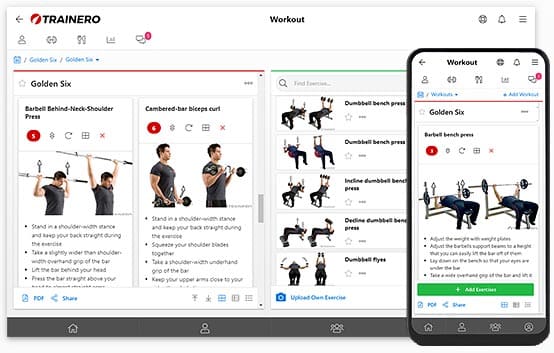
Build the whole block once in the Trainero coach app, deload week included, and assign it to any client or group. Clients log their sets in the client app and you follow their results with progress tracking, so you see a stall before it becomes a problem.
Frequently asked questions
What is a deload week?
A deload week is a planned easier week of training. You keep the same exercises and schedule but do about half the sets, use slightly lighter weights and stop every set well short of failure. The lower stress lets fatigue drop so you can train hard again in the next block.
How often should you deload?
Most lifters do well with a deload every four to eight weeks of hard training. In a survey of competitive strength and physique athletes the average was every 5.6 weeks. Beginners can usually go longer, and advanced lifters who train heavy and close to failure often need one every four to six weeks.
How long should a deload be?
About one week. Athletes in the same survey reported an average deload of 6.4 days. A few easier sessions can be enough after a short block, but one full training week is the simple default.
Should I take a deload week or a rest week?
For most people a deload week is the better choice. You keep practicing the lifts and keep the routine, so the return to normal training is smooth. Take a full rest week when you are ill, injured, travelling or need a real break.
Will I lose muscle or strength during a deload week?
No. One lighter week is not enough to lose muscle or strength. Many lifters feel stronger in the first week back, because the fatigue that was hiding their fitness has dropped.
Do beginners need deload weeks?
Less often. Beginners use lighter loads and recover quickly, so they can usually train for eight weeks or more before an easier week helps. A lighter week still makes sense after illness, a stressful period or a run of sessions where the weights feel unusually heavy.

Unlock your fitness potential with Trainero! Get a 14-day free trial and access personalized workout plans, expert coaching, and progress tracking—all in one app. No commitments, just results. Start your free trial today and take your fitness journey to the next level!