Standing out in the competitive fitness industry requires more than just excellent training skills. To build a thriving personal training business, you need a strategic approach to marketing that attracts your ideal clients and establishes you as a trusted authority. This comprehensive guide covers proven marketing strategies that will help you grow your client base and build a sustainable fitness career.
Why Marketing Matters for Personal Trainers
Many talented personal trainers struggle to find clients, not because they lack expertise, but because they have not invested in marketing themselves effectively. The fitness industry is crowded, and potential clients have countless options when choosing a trainer. Effective marketing helps you cut through the noise, communicate your unique value, and connect with people who genuinely need your services.
Marketing is not about being pushy or salesy. It is about making it easy for the right clients to find you and understand how you can help them achieve their fitness goals. When done well, marketing builds trust before a potential client ever walks through your door.

Define Your Niche and Target Audience
Before launching any marketing campaign, you need clarity on who you want to serve. Trying to appeal to everyone typically results in connecting with no one. Specialization makes your marketing more effective and helps you command higher rates.
Identifying Your Ideal Client
Ask yourself these questions to define your target market:
- What types of clients do you enjoy working with most?
- What specific results can you help clients achieve?
- What age group, fitness level, or lifestyle resonates with your training style?
- Are there underserved populations in your area you could specialize in?
Popular niches for personal trainers include weight loss coaching, strength training for beginners, athletic performance training, senior fitness, pre and postnatal fitness, and training for specific sports. Choose a niche that aligns with both your expertise and your passion.
Creating a Client Avatar
Once you have chosen your niche, develop a detailed profile of your ideal client. Consider their demographics, goals, challenges, daily routines, and the language they use when talking about fitness. This avatar will guide all your marketing decisions, from the content you create to the platforms you use.

Build a Strong Personal Brand
Your personal brand is how clients perceive you. It encompasses your visual identity, communication style, values, and the overall experience you provide. A strong brand makes you memorable and helps differentiate you from other trainers.
Developing Your Unique Value Proposition
Your unique value proposition (UVP) is a clear statement that explains what makes you different and why clients should choose you. It should answer the question: “Why should I train with you instead of someone else?”
Consider what sets you apart. Perhaps it is your training methodology, your background, your personality, or the specific results you help clients achieve. Your UVP should be specific, benefit-focused, and easy to understand.
Visual Branding Essentials
Consistent visual branding builds recognition and professionalism. This includes your logo, color palette, fonts, photography style, and the overall look of your marketing materials. Invest in professional photos that showcase your personality and training style. These images will be used across your website, social media, and promotional materials.
Leverage Social Media Marketing
Social media platforms offer personal trainers powerful tools to reach potential clients, demonstrate expertise, and build community. The key is choosing the right platforms and creating content that resonates with your target audience.
Choosing the Right Platforms
Not every social media platform will be effective for your business. Focus your energy on platforms where your ideal clients spend their time.
Instagram remains a top choice for fitness professionals due to its visual nature and engaged fitness community. YouTube is excellent for longer educational content and workout videos. TikTok appeals to younger audiences and rewards creative, entertaining content. Facebook works well for building community groups and reaching older demographics. LinkedIn can be valuable if you target corporate wellness or executive clients.
Content Strategies That Work
Successful social media marketing requires consistency and value. Create a content mix that educates, entertains, and inspires your audience.
Share workout tips and exercise demonstrations that solve common problems your audience faces. Post client transformation stories with their permission to provide social proof. Give behind-the-scenes glimpses of your training sessions and daily routine. Address common fitness myths and misconceptions. Share your personal journey and the lessons you have learned.
Avoid making every post promotional. The 80/20 rule works well: 80 percent valuable content, 20 percent promotional content. When you consistently provide value, people naturally want to learn more about working with you.
Building Engagement
Social media algorithms favor content that generates engagement. Encourage interaction by asking questions, creating polls, responding to comments promptly, and fostering genuine conversations. Building relationships online often leads to offline client conversions.

Create a Professional Online Presence
While social media is important, you also need owned digital assets that you control. A professional website and email list are foundational elements of your online marketing strategy.
Building an Effective Website
Your website is your digital headquarters. It should clearly communicate who you are, who you help, and how visitors can take the next step. Essential pages include:
A homepage that immediately captures attention and communicates your value proposition. An about page that tells your story and builds personal connection. A services page that outlines your offerings and pricing structure. A testimonials page featuring reviews and success stories from past clients. A contact page that makes it easy for potential clients to reach you.
Optimize your website for search engines by including relevant keywords naturally throughout your content. Terms like “personal trainer” combined with your location help local clients find you when searching online.
Email Marketing for Personal Trainers
Email remains one of the most effective marketing channels, offering direct access to potential clients without algorithm interference. Build your email list by offering valuable lead magnets such as free workout guides, nutrition checklists, or fitness assessments.
Send regular newsletters that provide value beyond promoting your services. Share fitness tips, success stories, and insights that keep subscribers engaged. When you consistently deliver helpful content, your audience will be receptive when you make offers.
Master Local SEO and Google My Business
For personal trainers serving local clients, appearing in local search results is crucial. When someone searches for “personal trainer near me,” you want your business to appear.
Optimizing Your Google Business Profile
Claim and optimize your Google Business Profile with complete, accurate information. Include your business name, address, phone number, website, hours, and high-quality photos. Select appropriate categories and add relevant services.
Encourage satisfied clients to leave Google reviews. Positive reviews improve your visibility in local search results and build trust with potential clients researching their options. Respond professionally to all reviews, showing that you value client feedback.
Local SEO Best Practices
Include location-specific keywords throughout your website content. Create content that addresses local fitness topics or events. Ensure your business information is consistent across all online directories. Build relationships with local businesses for potential cross-promotion opportunities.

Use Content Marketing to Establish Authority
Content marketing involves creating valuable content that attracts and engages your target audience. By sharing your expertise freely, you build trust and position yourself as a go-to resource in your niche.
Starting a Fitness Blog
A blog allows you to address the questions and concerns your potential clients have. Write articles that solve problems, answer common questions, and provide actionable advice. Topics might include workout routines, nutrition guidance, motivation strategies, and injury prevention tips.
Well-optimized blog content can drive organic traffic to your website for months or years after publication. Focus on topics your ideal clients are searching for and provide genuinely helpful information.
Video Content Creation
Video content performs exceptionally well in the fitness industry. Create workout tutorials, exercise demonstrations, Q&A sessions, and educational content. Video allows potential clients to experience your teaching style and personality before committing to training.
You can repurpose video content across multiple platforms. A single YouTube video can be edited into shorter clips for Instagram Reels, TikTok, and Facebook. This maximizes the return on your content creation efforts.

Implement Referral and Partnership Strategies
Word-of-mouth remains one of the most powerful marketing forces for personal trainers. People trust recommendations from friends and family more than any advertising.
Creating a Referral Program
Encourage satisfied clients to refer friends by offering incentives. This could be a discount on their next training package, a free session, or other valuable rewards. Make the referral process simple and thank clients who send business your way.
The best time to ask for referrals is when a client achieves a significant milestone or expresses satisfaction with your services. Their enthusiasm is highest at these moments.
Strategic Partnerships
Partner with complementary local businesses to expand your reach. Physical therapists, chiropractors, nutritionists, wellness centers, and sports retailers can be excellent referral sources. Look for businesses that serve a similar clientele but do not compete directly with your services.
Consider offering workshops, guest classes, or content collaborations that benefit both parties and expose you to new potential clients.
Leverage Technology to Scale Your Reach
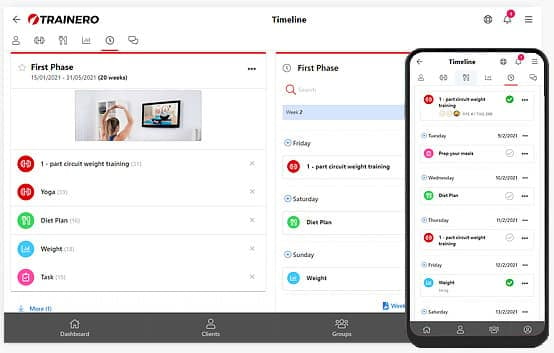
Modern personal trainer software can significantly amplify your marketing efforts while streamlining your operations. The right technology helps you serve more clients, deliver better experiences, and free up time for marketing activities.

Unlock your fitness potential with Trainero! Get a 14-day free trial and access personalized workout plans, expert coaching, and progress tracking—all in one app. No commitments, just results. Start your free trial today and take your fitness journey to the next level!
How Personal Training Software Supports Marketing
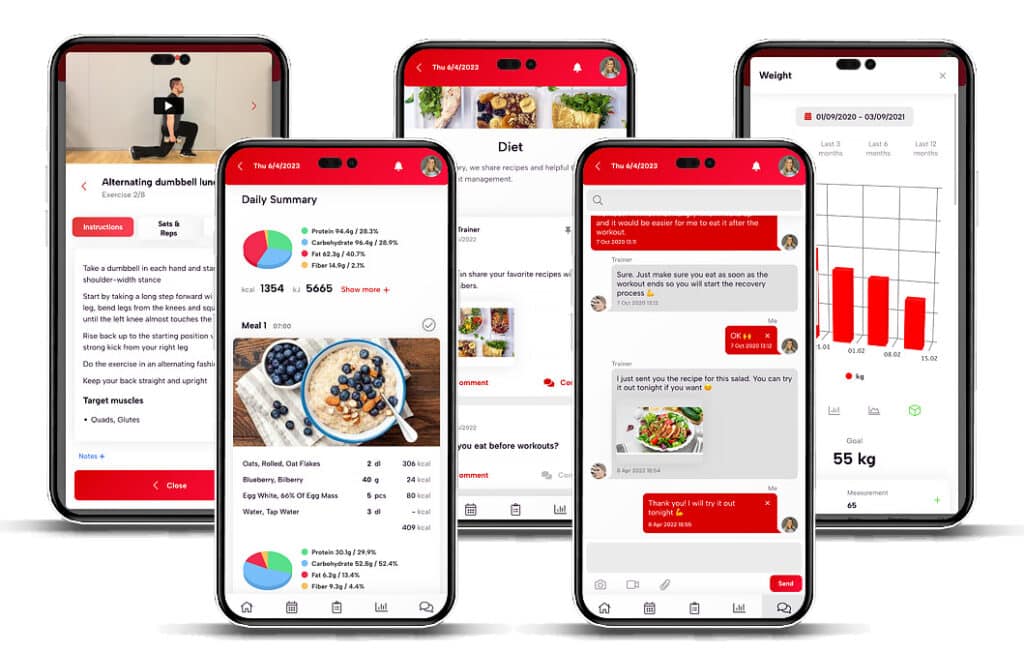
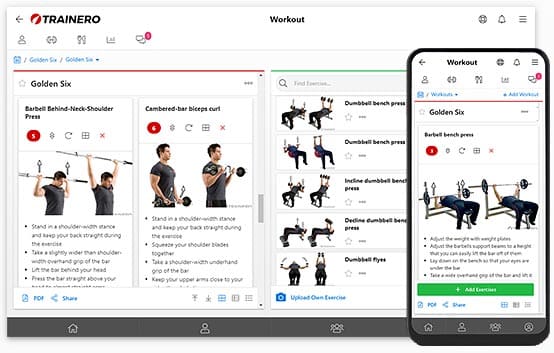
Platforms like Trainero help personal trainers manage their business efficiently while enhancing client experience. Features like customized workout plans, progress tracking, in-app messaging, and automated communications help you deliver professional service that clients love to recommend.
When your clients have an exceptional experience using your coaching app, they naturally become advocates for your business. The ability to offer online training also expands your potential market beyond your local area, allowing you to work with clients anywhere in the world.
A professional coaching platform also provides social proof of your legitimacy as a trainer. When potential clients see you using sophisticated tools to manage their training, it reinforces your professional status.
Track, Measure, and Optimize
Effective marketing requires ongoing measurement and adjustment. Track key metrics to understand what is working and where to focus your efforts.
Key Metrics to Monitor
Website traffic and which pages attract the most visitors. Social media engagement rates and follower growth. Email open rates and click-through rates. Lead sources for new client inquiries. Client acquisition cost and lifetime value. Referral rates from existing clients.
Use this data to double down on what works and adjust or eliminate what does not. Marketing is an iterative process that improves over time with consistent analysis and optimization.
Take Action on Your Marketing Plan
Reading about marketing strategies is valuable, but implementation is what produces results. Start with one or two strategies that align with your strengths and available time. Execute consistently for at least three months before evaluating results and adding new tactics.
Remember that marketing is a marathon, not a sprint. Building a strong personal brand and attracting a steady stream of clients takes time and consistent effort. Stay patient, stay consistent, and keep providing value to your audience.
The personal trainers who succeed in marketing are not necessarily the most talented trainers. They are the ones who show up consistently, provide genuine value, and make it easy for the right clients to find and connect with them.
Start implementing these strategies today, and you will be well on your way to building a thriving personal training business that attracts clients who are excited to work with you.
Unlock your fitness potential with Trainero! Get a 14-day free trial and access personalized workout plans, expert coaching, and progress tracking—all in one app. No commitments, just results. Start your free trial today and take your fitness journey to the next level!